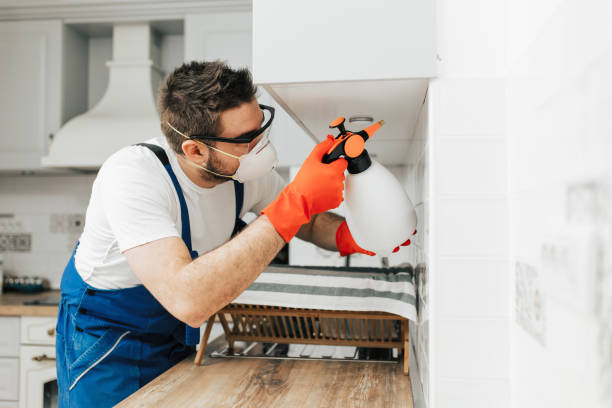
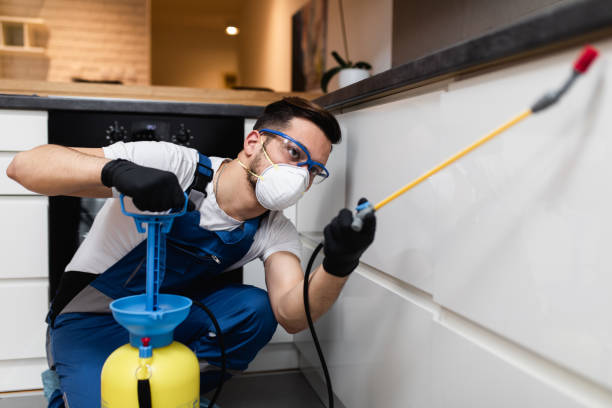
Why Pest Control Largo FL Services Are Worth Considering for Prevention
 Janie Burton
Preventative pest control is often overlooked, yet it plays a crucial role in protecting your home, health, and financial well-being. Instead of waiting for an infestation to become apparent, adopting a proactive approach can save you time, money, and stress in the long term. Here’s why preventative pest control is worth considering.
Benefits of Preventative Pest Control
- Termites alone cause billions of dollars in property damage annually by compromising the structural integrity of homes.
- Rodents can chew through electrical wiring, insulation, and drywall, creating safety hazards.
- Many pests carry diseases that can pose serious risks to humans and pets. For instance:
- Mosquitoes transmit malaria, dengue fever, and West Nile virus.
- Rodents may spread hantavirus or salmonella through droppings.
- Cockroach allergens can trigger asthma attacks in sensitive individuals.
- Preventive treatments ensure these risks are minimized before they become problems.
- Saves Money Over Time
Reactive pest control often requires expensive treatments to address full-blown infestations as well as repairs caused by damage. Regular preventative measures help avoid these costs. - Maintains Peace of Mind
Knowing your home is safeguarded against pests creates a secure and comfortable living environment for you and your family.
How Does Preventative Pest Control Work?
- Inspection: Professionals will identify vulnerable areas such as cracks in walls or foundation gaps where pests may gain entry.
- Treatment Plans: These include using eco-friendly solutions like barrier sprays or baiting systems designed to deter specific species.
- Ongoing Monitoring: Routine inspections ensure any early signs of pest activity are addressed before they escalate into major problems.
DIY vs. Professional Services – Finding the Balance
| Aspect | DIY Solutions | Professional Services |
| Effectiveness | Limited to visible issues | Comprehensive treatment plans |
| Expertise | General knowledge | Specialized training on various pest types |
| Longevity | Short-term results | Long-lasting protection with targeted solutions |
Combining professional expertise with simple home maintenance practices ensures maximum effectiveness when implementing preventative pest control strategies.
Tips for Homeowners Interested in Prevention
To complement professional services, consider incorporating these practices into your routine:
– Store food in airtight containers to avoid attracting ants or rodents.
– Regularly clean kitchen surfaces and dispose of garbage promptly.
– Repair leaky pipes or fixtures since standing water attracts insects like mosquitoes.
– Trim bushes or tree branches near your house; these can serve as pathways for pests to enter your home.
Investing in preventative pest control is not just about avoiding infestations but about safeguarding your living space from potential threats that impact health and property value alike.
Effective Tips from a Largo FL Pest Control Company to Protect Your Home from Winter Rodents
As temperatures drop, rodents such as mice and rats seek shelter indoors, causing potential damage to your property and posing health risks. Preparing your home to deter these pests is essential during the colder months. Below are practical tips and strategies for keeping rodents out of your home this winter.
https://largopestcontrolflorida.weebly.com/
Effective Pest Removal Largo FL: Identify Common Signs of Rodent Activity
- Droppings: Small, pellet-like droppings near food sources, in cabinets, or along walls.
- Gnaw Marks: Chewed furniture, wires, or even wooden areas.
- Tracks or Smudge Marks: Greasy trails along walls or floors created by repeated rodent movement.
- Scratching Noises: Sounds in walls or ceilings, particularly at night when they are most active.
- Burrows or Nests: Shredded paper, fabric scraps, or other nesting materials in hidden areas.
Professional Exterminator Largo FL to Seal Entry Points
- Inspect exterior walls, foundation cracks, and gaps around pipes or vents.
- Use silicone caulk or steel wool to seal small holes.
- Install door sweeps under exterior doors and repair damaged weather stripping.
- Cover chimney openings with a durable wire mesh.
Regular inspections ensure entry points remain sealed over time.
Effective Pest Control Services Largo FL to Eliminate Attractants
- Store all pantry goods like grains and cereals in airtight containers.
- Clean up crumbs regularly from countertops, floors, and under appliances.
- Avoid leaving pet food out overnight.
- Fix leaky faucets promptly to eliminate standing water as a hydration source.
Additionally, keep outdoor areas tidy by storing firewood away from the house and trimming overgrown vegetation that could act as cover for rodents near your home’s foundation.
Use Effective Deterrents
Natural Options
- Peppermint oil-soaked cotton balls placed near potential entryways.
- Sprinkling cayenne pepper powder around vulnerable areas like baseboards.
Mechanical Options
- Snap traps for targeted trapping in high-risk areas such as garages or basements.
- Ultrasonic devices designed to repel rodents without harmful chemicals (note that these should be used alongside other methods).
Benefits of Professional Pest Control Services
| DIY Methods | Professional Pest Control Services |
| Limited effectiveness over time | Comprehensive inspection & customized treatment plans |
| May miss hidden nests | Advanced tools & safe chemical applications |
| Time-consuming | Long-lasting preventive measures |
Professionals not only remove existing infestations but also help you implement strategies to prevent recurrence.
By combining diligent preventive measures with professional expertise when necessary, you can ensure your home remains rodent-free throughout the winter season while safeguarding both your property and family’s health.
Professional Pest Control vs. DIY Solutions: Which is More Effective for Your Home
When dealing with pest infestations, homeowners often face the dilemma of choosing between professional pest control services and do-it-yourself (DIY) solutions. Both approaches have their merits, but understanding their differences can help you make an informed decision based on your specific needs. Below, we delve into the effectiveness, costs, and implications of each method.
The Case for Professional Pest Control
- Technicians are certified and trained to handle a variety of pests, from rodents to termites.
- They use advanced equipment and techniques tailored to different types of infestations.
- Professionals assess the severity and root cause of an infestation before applying targeted treatments.
- Follow-up visits ensure long-term results and prevention of reinfestation.
- Licensed exterminators can access industrial-grade pesticides not available to the public.
- These products are often more effective but require safe handling by professionals.
- With experience on their side, professionals can detect hidden infestations quickly and resolve them efficiently.

| Pros of Professional Pest Control | Cons |
| High level of expertise | Higher upfront costs |
| Long-lasting results | May require multiple visits |
| Safer handling of chemicals | Scheduling constraints |
The Appeal of DIY Pest Control Solutions
- Using Over-the-Counter Products: Sprays, traps, baits, and powders available at stores offer immediate relief for visible pests like ants or cockroaches.
- Natural Remedies: Home-based remedies such as vinegar sprays or essential oils (e.g., peppermint or eucalyptus) act as eco-friendly repellents.
- Preventative Measures: Simple actions like sealing cracks in walls or storing food properly can deter pests from invading in the first place.
While these methods may work for small-scale problems, they often fall short when dealing with larger infestations or invasive pests such as termites.
| Pros of DIY Pest Control | Cons |
| Lower initial cost | Limited effectiveness |
| Immediate access | May not address root causes |
| No need for scheduling appointments | Health risks if products misused |
Professional vs. DIY: Key Considerations
- Severity of Infestation: For small-scale issues (ants in one corner), a DIY approach might suffice. However, severe infestations (termites damaging structural wood) demand professional intervention.
- Health Concerns: If you’re dealing with venomous pests like spiders or wasps that pose significant health risks, leave it to licensed professionals.
- Budget Constraints: While DIY is cheaper initially, recurring expenses on ineffective products may add up over time.
- Long-Term Results: Professionals focus not only on eradicating pests but also preventing future problems by addressing root causes.
Final Thoughts
Both approaches have their strengths depending on your circumstances; however, professional pest control generally provides a more comprehensive solution when dealing with persistent or large-scale infestations. If you’re unsure which route to take, consulting with a licensed exterminator can help you evaluate your options effectively while ensuring your home remains safe from unwanted invaders in the long run.
Debunking Common Myths About Preventative Pest Control and Why You Need It
Preventative pest control often gets dismissed due to common myths and misconceptions. Understanding the reality behind these myths is crucial to protecting your home or business from potential infestations. Below, we address some widespread myths about preventative pest control and explain why it is a critical investment for long-term safety and comfort.
Myth 1: Pests Only Invade Dirty Homes
Reality:
One of the most persistent myths is that pests only target dirty or unkempt properties. While poor hygiene can attract certain pests like cockroaches, even clean homes are susceptible. Pests such as ants, termites, and rodents are not selective when it comes to invading spaces—they are primarily searching for food, water, and shelter.
Why You Need Preventative Pest Control:
– Preventive treatments help create barriers around your property that deter pests regardless of how clean or cluttered your space is.
– Regular inspections ensure early detection of potential vulnerabilities before they turn into infestations.
Myth 2: Store-Bought Chemicals Are Just as Effective as Professional Treatments
Reality:
DIY solutions might seem cost-effective at first, but they often fail to address the root cause of infestations. Over-the-counter sprays and traps typically target visible pests but do little to eliminate nests or colonies hidden deep within walls, floors, or attics.
Why You Need Preventative Pest Control:
– Professional pest control services use advanced techniques that target both the source of infestations and entry points.
– Licensed technicians are trained to handle a wide array of pests safely while minimizing harm to children, pets, and the environment.
| DIY Solutions | Professional Treatments |
| Temporary relief | Long-term prevention |
| Limited understanding of pest habits | Advanced knowledge of pest biology |
| Potential misuse of chemicals | Safe application with minimal risks |
Myth 3: You Only Need Pest Control When There’s an Infestation
Reality:
Waiting until you see visible signs of an infestation can lead to costly property damage by the time the problem is addressed. Many pests—such as termites—can destroy structural elements unnoticed for months before detectable symptoms appear.
Why You Need Preventative Pest Control:
– Routine treatments help prevent costly damage caused by undetected pest activity.
– Regularly scheduled services ensure pest populations never have a chance to establish themselves in your home or workplace.
Myth 4: Preventative Pest Control Is Too Expensive
Reality:
While there’s an upfront cost for preventative services, this pales in comparison to the financial burden caused by unchecked infestations. For instance:
- Termite damage costs homeowners in the U.S. over $5 billion annually.
- Rodent-related electrical damage can result in fire hazards costing thousands in repairs.
- Cost Savings on Repairs: Avoid structural damage caused by wood-destroying insects like termites.
- Health Protection: Shield your family from diseases spread by rodents or insects such as mosquitoes.
- Peace of Mind: Eliminate recurring issues with proactive measures rather than reactive responses.
By addressing these myths head-on, it becomes clear that preventative pest control isn’t just an optional service—it’s a necessary investment in maintaining a safe environment for your home or business. Understanding its importance allows you to make informed decisions that save time, money, and stress over time.
Savings on Property Damage Through Effective Pest Control Solutions
Pests can cause severe damage to homes and properties if left unchecked. From structural issues to health hazards, the costs associated with pest infestations can quickly add up. Investing in effective pest control solutions not only protects your property but also helps prevent costly repairs down the line. Below, we explore how pest control measures contribute to savings and safeguard your investment.
Common Property Damage Caused by Pests
- Feed on wood, drywall, and cellulose-based materials.
- Can weaken structural integrity over time.
- Repair costs for termite-inflicted damages often exceed thousands of dollars if untreated.
- Chew through electrical wiring, increasing fire risks.
- Gnaw on insulation and stored belongings like furniture or clothing.
- Leave behind droppings that can contaminate surfaces and food supplies.
- Bore into wooden structures to create nests, compromising beams, floors, and walls.
- Spread bacteria that can lead to health-related expenses (e.g., medical bills).
- May trigger allergies or asthma in sensitive individuals.
How Effective Pest Control Saves You Money
- Early Detection Reduces Repair Costs
Regular pest inspections identify problems before they escalate into major issues. For instance: | Pest Type | Cost Without Treatment (Repairs) | Cost With Early Detection | |—————-|———————————-|————————–| | Termites | $3,000–$8,000 | $300–$500 (inspection) | | Rodents | $500–$2,000 | $100–$300 (traps/treatment) | - Prevention Is Cheaper Than Remediation
Preventative treatments—such as sealing entry points or applying eco-friendly pesticides—cost significantly less than addressing full-blown infestations. - Preserving Home Value
An untreated infestation lowers property resale value due to visible damages or inspection findings during the sale process. - Avoiding Health-Related Costs
Effective pest control reduces contamination risks from diseases carried by pests like rats or cockroaches, saving you potential medical expenses.
Tips for Maximizing Savings Through Pest Control
- Schedule routine inspections by licensed professionals at least once a year.
- Invest in preventative treatments tailored to your region’s most common pests.
- Store food in airtight containers.
- Eliminate standing water sources.
- Regularly declutter storage areas like basements or attics.
- Seal cracks or gaps around windows, doors, and plumbing fixtures that could serve as entry points for pests.
- Choose integrated pest management (IPM) approaches that combine environmentally sustainable methods with effective results.
Why Professional Pest Control is Worth It
| Comparison | DIY Solutions | Professional Services |
| Expertise | Limited knowledge | Trained specialists with experience |
| Effectiveness | May miss hidden infestations | Comprehensive treatment plans |
| Costs Over Time | Recurring expenses for products | Fixed upfront costs + warranty coverage |
By opting for professional assistance combined with preventive strategies at home, you protect both your wallet and your property from unnecessary costs associated with pest damage over time.
- Why Pest Control Largo FL Services Are Worth Considering for Prevention
- Comprehensive Guide: What an Exterminator Largo FL Can Do for Your Home
- Effective Pest Removal Largo FL: Is It Safe for Pets and Children
- Effective Pest Control Services Largo FL: Ensuring a Safe and Pest-Free Environment for Your Children
- How a Largo FL Pest Control Company Can Help Protect Your Home and Health
- Largo FL Pest Control Company: Understanding the Key Differences Between Pest Control and Extermination
- Is Preventative Pest Control Worth It
- Understanding the Best Practices for Pest Control Largo FL: Are Treatments Safe for Kids and Pets