pest removal largo fl

Comprehensive Guide: What an Exterminator Largo FL Can Do for Your Home

Asian Chinese Female Inspector checking kitchen area discharge water pipe at new building unit stock photo Asian Chinese Female Inspector checking kitchen area discharge water pipe pest control stock pictures, royalty-free photos & images

Exterminators play a vital role in maintaining healthy living environments by managing and eliminating pest infestations. While many people may associate exterminators simply with spraying chemicals, their job involves far more specialized expertise and systematic processes. This guide explores what an exterminator does, the techniques they use, and what homeowners can expect during a professional visit.

Assessment: The First Step in Pest Control

  • Inspection of Entry Points: Checking doors, windows, vents, and other areas where pests may gain access.
  • Evaluating Damage: Identifying structural damage caused by pests such as termites or rodents.
  • Locating Infestation Sites: Pinpointing where pests are nesting or breeding inside or around your home.
  • Identifying Contributing Factors: Observing food sources, moisture levels, or debris that may attract pests.

This step is crucial not only for determining the severity of an infestation but also for tailoring an effective treatment plan.

Treatment Plans Tailored to Specific Pests

  1. Use of insecticides for ants, cockroaches, and termites.
  2. Rodenticides placed in bait stations to target mice and rats.
  3. Fogging techniques for severe indoor infestations.
  4. Traps designed for rodents or larger pests such as raccoons.
  5. Heat treatments to eliminate bed bugs at all stages of their lifecycle.
  6. Physical barriers like screens or mesh to prevent re-entry.

Treatments aim to both eliminate existing infestations and provide preventive measures against future invasions.

Preventive Measures and Follow-Up Visits

  • Sealing cracks in walls or foundations.
  • Storing food in air-tight containers.
  • Regular garbage disposal and cleaning routines.
  • Eliminating standing water where insects like mosquitoes breed.

Follow-up visits are often part of comprehensive pest control services. These ensure that treatments remain effective over time and that any lingering pests are addressed promptly.

Professional Tools and Safety Protocols

Exterminators rely on specialized tools such as sprayers, bait systems, thermal imaging cameras (for locating termites), and protective equipment. They also adhere strictly to safety protocols to minimize risks associated with chemical usage.

Tool/Equipment Purpose
Bait Stations Target rodents discreetly
Thermal Cameras Detect hidden termite infestations
HEPA Vacuums Safely remove nests or droppings
Protective Gear Ensure safety when applying chemicals

These tools allow exterminators to deliver targeted results while prioritizing homeowner safety.

Understanding what an exterminator really does underscores the value they bring not just in resolving pest issues but also in preventing long-term damage to your property. For homeowners seeking lasting solutions against unwanted invaders, partnering with a professional ensures peace of mind through expert care tailored specifically to your needs.

Effective Pest Control Largo FL: Why Every Solution Starts with a Thorough Investigation

Effective pest control begins long before any sprays, traps, or treatments are applied. The foundation of a successful pest management strategy lies in properly understanding the scope and nature of the infestation. This is where a thorough investigation plays a pivotal role. Without it, pest control measures may be ineffective or short-lived. Here’s why an in-depth investigation is essential and what it typically involves.

Effective Pest Control Services Largo FL: Why Proper Identification Matters

Not all pests are created equal, and each type requires unique strategies for management and elimination. Identifying the exact species or type of pest is critical because:
Behavioral Patterns Differ: Some pests are nocturnal (e.g., rodents), while others are active during the day (e.g., ants).
Preferred Habitats Vary: Termites thrive in moist wood, whereas cockroaches often seek out dark, damp areas like kitchens and bathrooms.
Treatment Methods Depend on Species: For example, bait stations work effectively for ants but may not work as efficiently for bed bugs.

A thorough investigation ensures that treatments target specific pests rather than applying generic solutions that may be less effective.

Key Components of a Pest Evaluation

  1. Examine areas where pests have been reported or suspected.
  2. Identify entry points such as cracks in walls, gaps around windows or doors, and plumbing fixtures.
  3. Look for structural vulnerabilities like loose siding or damaged roofing that could allow access to pests.
  4. Signs of Infestation
    Specialists look for evidence such as:
  5. Droppings (common with rodents or cockroaches).
  6. Shed skins (indicative of insects like bed bugs).
  7. Gnaw marks on wires, wood, or furniture (a sign of rodent activity).
  8. Mud tubes along walls or foundations (a hallmark sign of termites).
  9. Environmental Factors Assessment
    Certain conditions attract specific pests:
  10. Standing water can serve as breeding grounds for mosquitoes.
  11. Accumulated food debris invites ants and cockroaches into kitchens.
  12. Overgrown vegetation near walls provides shelter for various outdoor pests.
  13. Understanding Resident Behavior
    Homeowners play an important role in the investigative process by sharing information about:
  14. When they first noticed signs of infestation.
  15. The frequency and location where pests are seen.
  16. Any past efforts taken to address infestations.

Tools Often Used During Investigations

Tool Purpose
Flashlights To inspect dark corners, crawl spaces, attics, basements, etc.
Moisture Meters To detect dampness that attracts pests like termites and mold-loving bugs.
Infrared Cameras Helps identify hidden nests by detecting heat signatures from rodents or insects.
Borescopes Small cameras to inspect hard-to-reach areas within walls or furniture.

Long-Term Benefits of Investigating First

Conducting a detailed investigation has lasting benefits beyond immediate pest removal:
– Prevents reinfestation by addressing root causes such as entry points or environmental factors.
– Protects property value by catching infestations early before structural damage occurs (especially with termites).
– Allows for tailored treatments that minimize unnecessary chemical use while maximizing effectiveness.

By starting every pest control plan with a comprehensive assessment process, homeowners can ensure that their properties remain safe from current infestations while reducing risks in the future.

Targeting Termites: Comprehensive Strategies to Protect Your Property from These Destructive Invaders

Termites are among the most destructive pests a homeowner can face. Their relentless ability to chew through wood and other cellulose materials can compromise the structural integrity of your property over time. A proactive and strategic approach is essential to prevent and address termite infestations effectively. Below, we explore comprehensive strategies for identifying, preventing, and eliminating termites.

Identifying Termite Activity

  • Mud Tubes: Subterranean termites often build mud tubes along walls or foundations for protection while traveling between their colony and food sources.
  • Hollow Wood: Tapping on wooden structures may produce a hollow sound if termites are present. This occurs because they consume wood from the inside out.
  • Discarded Wings: Swarming termites shed their wings after finding a new location to start a colony. Look for small piles of wings around windowsills or near light sources.
  • Frass: Drywood termites leave tiny pellets resembling sawdust called frass, which can accumulate below infested wood areas.
  • Buckling Paint or Wood: Termite damage may cause paint to bubble or crack as moisture accumulates behind surfaces.

Strategies for Prevention

  1. Fix leaks in plumbing or roofing immediately.
  2. Ensure proper drainage around your home’s foundation.
  3. Use dehumidifiers in crawl spaces or basements if needed.
  4. Use physical barriers, such as stainless steel mesh or sand, during construction to block termite access.
  5. Apply chemical soil treatments with termiticides around your home’s perimeter.
  6. Store firewood, lumber, or paper products away from your home.
  7. Trim any overhanging tree branches or vegetation near the structure.
  8. Avoid allowing mulch to touch exterior walls as it can retain moisture.
  9. Engage licensed pest control professionals for routine inspections.
  10. Conduct personal spot-checks in areas prone to infestation like crawl spaces and attics.

Effective Treatment Options

  1. Liquid Termiticides: Applied directly into the soil surrounding your foundation, liquid termiticides create a chemical barrier that repels or kills termites attempting entry.
  2. Baiting Systems: Bait stations containing slow-acting insecticides are strategically placed around your home’s perimeter to lure worker termites back to their colony, ultimately eradicating it over time.
  3. Fumigation (for Drywood Termites): In severe cases of drywood termite infestations, tent fumigation is used to treat an entire structure by releasing gas that penetrates wood thoroughly.
  4. Localized Treatments: Spot treatments involve injecting chemicals directly into infested wood areas where activity has been detected.
Treatment Type Suitable For Key Advantage
Liquid Termiticides Subterranean Termites Long-lasting barrier
Baiting Systems Active Subterranean Colonies Targets entire colonies
Fumigation Severe Drywood Infestations Complete eradication of hidden pests
Localized Treatments Small-scale Infestations Minimal disruption

When Professional Help Is Needed

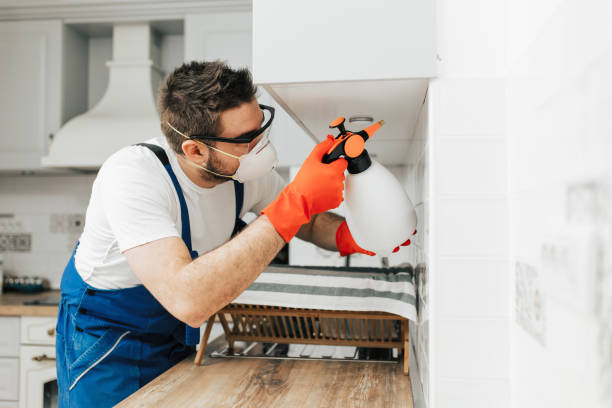
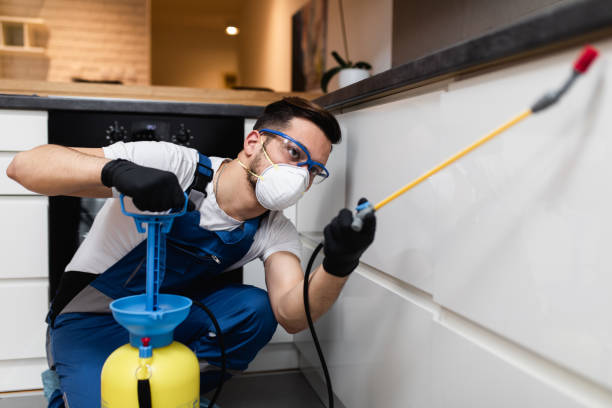
Exterminator Worker exterminator in protective workwear spraying pesticide in apartment kitchen. pest control stock pictures, royalty-free photos & images

While DIY methods may seem appealing for cost savings, termite infestations require expertise due to their complexity and potential for widespread damage. Pest control professionals have access to specialized tools and knowledge ensuring thorough elimination while minimizing risks to residents and pets.

By combining preventive measures with targeted professional interventions when necessary, homeowners can effectively safeguard their properties against the costly impact of termite damage—a proactive investment in peace of mind as well as structural integrity.

Effective Solutions from a Largo FL Pest Control Company for Rodent Elimination and Prevention

Rodent infestations can pose significant threats to both health and property. Mice, rats, and other rodents are not only carriers of diseases but can also cause extensive structural damage through incessant gnawing on wires, insulation, and wood. A successful rodent control plan requires a strategic approach that integrates elimination methods with prevention measures. Below is a detailed guide to eradicating rodents effectively while minimizing the risk of future infestations.

Identifying Signs of Rodent Activity

The first step in addressing a rodent problem is recognizing the signs of their presence. Some common indicators include:
Droppings: Small, dark droppings resembling grains of rice typically found near food sources or nesting areas.
Gnaw Marks: Bite marks on furniture, walls, electrical wires, or food packaging.
Scratching Sounds: Noises from walls, ceilings, or under floors during nighttime hours when rodents are most active.
Nests: Shredded paper, fabric, or other materials used by rodents to build nests in hidden spaces.
Grease Marks: Oily streaks left along baseboards or walls where rodents travel regularly.

Elimination Methods

Once the presence of rodents is confirmed, employing targeted elimination strategies is critical.

1. Traps

Trapping is one of the most effective ways to manage rodent populations.

Snap Traps: Reliable for quick extermination; baited with peanut butter or other attractants.

Live Traps: Humane option for catching and releasing rodents far from your property.

Glue Boards: Suitable for smaller infestations but less humane due to prolonged suffering.

2. Bait Stations

Rodenticides placed in tamper-proof bait stations can target larger populations efficiently.

However:

– Ensure these are used responsibly to protect pets and children from accidental exposure.

– Always follow local regulations around rodenticide use.

3. Professional Extermination Services

Severe infestations may require professional pest control services equipped with advanced tools such as fumigation techniques or specialized poisons.

Prevention Strategies

Preventing future infestations is as important as eliminating existing ones.

Seal Entry Points

Rodents can squeeze through even the smallest openings:

– Inspect for cracks around windows, doors, vents, pipes, foundation gaps, and utility lines.

– Use steel wool or metal screens to block smaller holes; seal larger gaps with caulk or expanding foam.

Maintain Cleanliness

Sanitation plays a significant role in deterring pests:

– Store food in airtight containers made of glass or heavy-duty plastic.

– Dispose of trash regularly using sealed bins.

– Keep kitchens free from crumbs and spills by cleaning up immediately after meals.

Landscaping Adjustments

Outdoor maintenance helps reduce access points: – Trim tree branches that hang near roofs to prevent roof rats from gaining entry.

– Keep shrubs well-pruned and ensure firewood stacks are stored at least 20 feet away from buildings.

Comparing DIY vs Professional Rodent Control

Method Pros Cons
DIY Solutions Cost-effective; easily accessible tools May not address severe infestations fully
Professional Services Expert knowledge; long-term effectiveness Higher upfront cost

By combining effective elimination methods with proactive prevention strategies tailored to your specific situation, you can achieve long-term results when managing rodent problems safely and effectively.

Effective Pest Removal Largo FL: Specialized Tactics for Eliminating Common Invaders

Pests like ants, cockroaches, and other common invaders can cause significant discomfort, hygiene issues, and even structural damage in homes and businesses. Addressing these pests requires a well-thought-out approach that combines proactive prevention with targeted elimination strategies. Below is an in-depth look at specialized tactics for effectively managing these persistent pests.

Identifying the Culprits

  1. Often found near food sources or water.
  2. Can form extensive colonies that are difficult to locate.
  3. Species-specific behaviors (e.g., carpenter ants destroy wood; sugar ants invade kitchens).
  4. Thrive in dark, warm areas such as kitchens or bathrooms.
  5. Known for spreading bacteria and allergens.
  6. Breeds quickly and can become resistant to chemical treatments over time.
  7. Typically prefer damp or humid conditions.
  8. Can damage paper products, fabrics, or stored foods.

Preventive Measures

  • Seal Entry Points: Inspect walls, doors, windows, and utility pipes for any gaps or cracks where pests might enter. Use caulk or weather stripping to close them off.
  • Eliminate Access to Food Sources: Store food in airtight containers and avoid leaving crumbs or spills unattended on counters or floors. Regularly empty trash bins with lids tightly closed.
  • Remove Standing Water: Address leaks under sinks or around pipes promptly as stagnant water attracts many pests like cockroaches and ants.
  • Declutter Your Space: Organize storage areas such as basements and attics where pests might shelter unnoticed.

Strategic Control Tactics

Ant Control Strategies

Problem Solution
Persistent trails leading to food Use bait stations containing slow-acting insecticides that workers carry back to the colony.
Carpenter ant activity around wood Apply borate-based treatments directly on affected wood areas while monitoring structural integrity.

Cockroach Elimination Techniques

  • Utilize gel baits near known hiding spots such as crevices under appliances.
  • Apply residual insecticides along baseboards where cockroaches travel frequently.
  • Deploy sticky traps in darker corners for monitoring population size.

Addressing Other Small Invaders

For invaders like silverfish:

– Reduce humidity using dehumidifiers.

– Place cedar chips or silica gel packets in infested locations as natural deterrents.

Importance of Professional Intervention

Although DIY solutions can be helpful for minor cases, severe infestations often require professional expertise. Pest control professionals bring advanced tools like thermal imaging cameras (to detect nests) along with eco-friendly options tailored specifically against stubborn pests.

By combining preventive efforts with tactical responses tailored toward particular invader species’ behaviors/habitats homeowners/business owners alike secure healthier cleaner environments over long run.


Effective Pest Removal Largo FL: Is It Safe for Pets and Children

Pest Control Man treating house for pest control. Professional exterminator. pest control stock pictures, royalty-free photos & images

The safety of pets and children is a primary concern when implementing pest control treatments in homes or businesses. While pest control is essential for managing infestations, ensuring that the methods used are safe for vulnerable family members is equally critical. Understanding potential risks and adopting best practices can help maintain safety without compromising the effectiveness of pest management.

Potential Risks of Pest Control Treatments

  • Inhalation of Toxic Fumes: Certain pesticides release fumes that may irritate the respiratory system.
  • Skin Contact: Direct contact with treated surfaces may cause skin irritation or allergic reactions.
  • Ingestion: Pets or young children may accidentally ingest pesticide residues left on floors, furniture, or other surfaces.
  • Chemical Sensitivity: Some individuals may experience adverse reactions to specific ingredients in pest control products.

Choosing Safe Pest Control Options

  1. Select Low-Toxicity Products
    Look for products labeled as low-toxicity or organic. These typically use natural ingredients that reduce potential harm.
  2. Use Baits Over Sprays
    Traps and bait stations are often safer alternatives to sprays since they target pests directly without dispersing chemicals into the air.
  3. Hire Certified Professionals
    Professional pest control companies often adhere to strict safety guidelines and use products approved by regulatory agencies such as the EPA (Environmental Protection Agency).
  4. Consider Non-Chemical Methods
    Physical barriers, traps, or integrated pest management (IPM) strategies can effectively manage pests without relying on chemical solutions.

Best Practices During Treatment

  • Relocate pets and children from the treatment area until it is deemed safe by professionals.
  • Cover toys, food items, pet bowls, and bedding to prevent contamination during the process.
  • Ventilate treated areas thoroughly before allowing access.

Post-Treatment Safety Tips

Action Purpose
Clean Treated Surfaces Remove chemical residues from floors and countertops where possible.
Monitor Pets & Children Watch for signs of discomfort or unusual behavior after re-entry.
Dispose of Leftover Products Safely discard any remaining pesticides as per manufacturer instructions.

Conclusion

By choosing low-toxicity options, hiring certified professionals, and adhering to proper precautions during and after treatment, you can create a safe environment free from pests while protecting both pets and children from potential harm.

Ensuring Safety and Effectiveness in Pest Control Largo FL Services

When it comes to pest control, safety should always be the primary consideration. Whether you’re dealing with ants, rodents, termites, or other invasive pests, the methods and treatments used must prioritize the health and well-being of all individuals in the environment. This includes children, pets, and even non-target wildlife. A professional pest control service that emphasizes safety ensures not only effective results but also peace of mind for homeowners and businesses.

Effective Solutions from an Exterminator Largo FL to Avoid Unsafe Pest Control Practices

Without proper attention to safety, pest control can pose several risks:
Chemical Exposure: Many pesticides contain chemicals that can be harmful if ingested, inhaled, or absorbed through the skin. Children and pets are particularly vulnerable due to their smaller size and closer contact with surfaces where these substances may linger.
Environmental Impact: Overuse or improper application of pesticides can contaminate soil, groundwater, and nearby ecosystems. Such practices can harm pollinators like bees as well as other beneficial organisms.
Resistance Development: Using unsafe or excessive measures may contribute to pests developing resistance over time—making future infestations harder to treat.

Effective Pest Control Services Largo FL: Ensuring Safety and Results

1. Thorough Assessment

A competent pest control provider conducts an initial inspection to understand the infestation’s extent and underlying causes. This allows them to design tailored strategies rather than relying on generic chemical-heavy solutions.

2. Integrated Pest Management (IPM)

IPM is a science-based approach focusing on long-term prevention through methods such as habitat modification, exclusion techniques (e.g., sealing cracks), biological controls (e.g., introducing natural predators), and minimal use of chemicals when absolutely necessary.

3. Minimal Use of Toxic Chemicals

Choosing products with low toxicity levels reduces potential harm while still targeting pests effectively. When chemicals are required, they should be applied in controlled amounts following manufacturer guidelines.

4. Protective Measures for Occupants

Professionals ensure all occupants are informed about safety precautions:
– Removing children’s toys or pet food dishes from treated areas before application.

– Ventilating treated spaces adequately after completion.

– Advising on any post-treatment restrictions such as keeping pets off treated lawns for a specified period.

How Homeowners Can Support Safety

Actions Benefits
Seal cracks around windows/doors Prevents pests from entering your home
Keep food stored tightly Reduces attraction for insects/rodents
Remove standing water outdoors Limits breeding grounds for mosquitoes

Additionally:
– Always discuss treatment plans with your provider ahead of time—ask about product ingredients if necessary.

– Avoid DIY treatments using over-the-counter sprays without understanding their suitability or potential hazards.

Partnering With Responsible Professionals

Safety-conscious pest control services prioritize transparency about their practices and products used during treatments. Look for licensed providers trained in IPM who communicate clearly about any precautions needed before or after treatment visits.

By placing emphasis on safe methods tailored specifically for your household’s needs—be it families with young children or homes shared with beloved pets—you ensure not only effective pest eradication but also a healthy living environment free from unnecessary risks associated with unsafe practices.

Effective and Responsible Solutions from a Largo FL Pest Control Company

Integrated Pest Management (IPM) is a comprehensive approach to pest control that emphasizes long-term prevention and sustainable solutions. It combines scientific knowledge, practical strategies, and environmentally responsible practices to manage pests effectively while minimizing risks to human health, pets, and the environment. Let’s explore what makes IPM a preferred method in modern pest management.

Principles of IPM

  1. Prevention
    Preventing pest infestations is the first line of defense in IPM. This involves:
  2. Sealing entry points such as cracks or gaps around windows and doors.
  3. Maintaining cleanliness to remove food sources for pests.
  4. Managing waste effectively by tightly covering trash bins.
  5. Monitoring
    Continuous observation is key to identifying pest activity before it becomes a significant problem. Monitoring techniques include:
  6. Using traps to detect early signs of infestation.
  7. Conducting routine inspections of vulnerable areas like basements, attics, or kitchens.
  8. Identification
    Correctly identifying pests helps determine the best control methods. Misidentification can lead to ineffective treatments or unnecessary pesticide use.
  9. Control Methods
    IPM employs a combination of strategies that prioritize safety and effectiveness:
  10. Biological Control: Introducing natural predators or parasites to reduce pest populations (e.g., ladybugs for aphid control).
  11. Cultural Practices: Altering environmental conditions such as reducing standing water where mosquitoes breed or rotating crops in agricultural settings.
  12. Mechanical/Physical Controls: Using barriers, traps, or screens to block pests from entering an area.
  13. Chemical Control: Only using pesticides as a last resort and selecting low-toxicity options when absolutely necessary.

Benefits of IPM

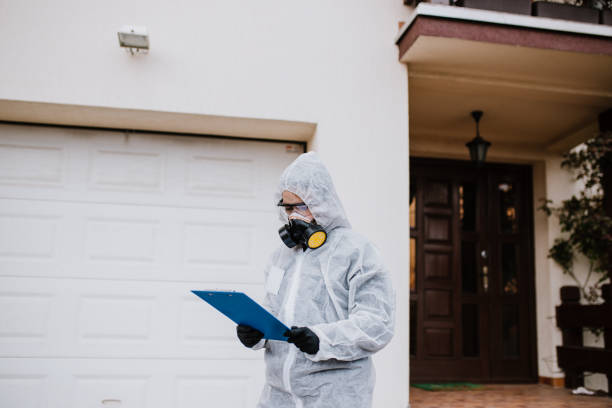
Spraying, disinfection and decontamination Professional worker in protective workwear reading checklist about house disinfection plan. Covid-19 and coronavirus pandemic concept. pest control stock pictures, royalty-free photos & images

Benefit Description
Reduced Health Risks Limits exposure to harmful chemicals, especially for children and pets.
Environmental Conservation Minimizes chemical runoff into waterways and reduces harm to non-target species like bees or birds.
Cost-Effectiveness Preventative measures reduce long-term costs by avoiding recurring infestations.
Customized Solutions Tailored approaches address specific pest issues without overusing resources.

Steps for Implementing IPM at Home

  • Regularly inspect your home’s interior and exterior for signs of pests.
  • Eliminate clutter where pests may hide, such as cardboard boxes in storage areas.
  • Fix leaks promptly since water sources attract many insects like ants or cockroaches.
  • Store food in sealed containers to deter pantry pests.
  • Use natural deterrents like diatomaceous earth or essential oils (e.g., peppermint oil repels spiders).

Why Choose IPM Over Traditional Methods?

Traditional pest control often relies heavily on chemical treatments that may pose risks when misused. In contrast, IPM integrates multiple tactics that are safer yet equally effective over time by focusing on root causes rather than short-term fixes.

By prioritizing prevention, monitoring, and low-impact solutions, Integrated Pest Management ensures responsible pest control practices that align with modern sustainability goals while safeguarding human health and biodiversity alike.

How to Ensure Safety During and After a Professional Pest Control Treatment

When it comes to professional pest control treatments, safety should always be a critical focus. Whether you’re addressing a minor infestation or a more severe pest issue, taking appropriate precautions ensures the health and well-being of your family, pets, and property. Below is an overview of best practices for maintaining safety during and after pest control treatments.

Preparation Before the Treatment

  • Communicate allergies or sensitivities: Inform the pest control professionals about any allergies, respiratory issues, or sensitivities present in your household.
  • Secure food items: Store all food, utensils, and kitchen tools in sealed containers or remove them from treatment areas.
  • Remove clutter: Clear spaces near walls, furniture corners, and baseboards so technicians can access areas where pests may hide.
  • Vacate sensitive areas: For treatments in bedrooms or play zones, temporarily relocate children’s toys and pet bedding to prevent contamination.

Safety Measures During the Treatment

  • Vacate the premises if necessary: Depending on the chemicals used and their toxicity levels, you may be advised to leave your home for a few hours. This is especially important for pregnant individuals, children under two years old, elderly family members, or pets that are sensitive to chemical exposure.
  • Follow ventilation guidelines: Ensure that windows are open or exhaust fans are functioning where recommended by professionals. Proper ventilation reduces lingering vapors from pesticides.

Post-Treatment Safety Guidelines

  1. Wait before re-entering treated areas: Pest control technicians will provide guidance on how long to wait before safely re-entering specific spaces within your home.
  2. Clean surfaces only when instructed: Avoid washing treated surfaces immediately unless directed by your pest control provider as it could reduce treatment efficacy.
  3. Dispose of contaminated items responsibly: If bait stations or traps were used during treatment, consult with the technicians about proper disposal methods.

Safeguarding Children and Pets Post-Treatment

  • Keep them away from treated outdoor zones (e.g., lawns) for at least 24 hours.
  • Ensure floors are vacuumed thoroughly if allowed by technicians after certain types of applications like powders.
  • Inspect corners for remnants of bait stations or traps that might attract curious pets.
Recommended Waiting Periods Situation Notes
2–4 Hours General indoor sprays For low-toxicity sprays
24 Hours Outdoor lawn treatments Prevent soil ingestion by pets/children
Technician-advised Bait/trap setups Follow specific instructions

Choosing Responsible Pest Control Providers

  1. Confirm they use EPA-approved pesticides labeled safe for residential applications.
  2. Verify whether they follow an Integrated Pest Management (IPM) approach to minimize chemical reliance.
  3. Request detailed instructions regarding precautions specific to their products.

Adopting these strategies ensures that you can eliminate pests effectively while maintaining a safe living environment for your entire household.

How to Ensure Safety During and After a Professional Pest Control Treatment

When scheduling a professional pest control treatment, safety should always be a primary consideration, particularly for households with children, pets, or individuals with preexisting health conditions. Employing proper precautions during and after treatment can significantly reduce potential risks while ensuring the effectiveness of pest control measures. Below are detailed guidelines and recommendations to help maintain a safe environment.

Before the Treatment: Preparation Steps

  • Communicate Specific Needs: Mention any allergy concerns or sensitivities related to chemicals, especially if children or pets are present in your home.
  • Remove or store away all food items in sealed containers.
  • Cover cooking utensils, dishes, or other kitchen-related items.
  • Vacate Key Areas: Clear areas such as closets, under sinks, and utility spaces where pests may hide, as this will allow thorough application by professionals.
  • Plan Temporary Relocation: Depending on the type of treatment being conducted (for example, fumigation), it may be necessary for your family and pets to stay out of the house for a specified period.

During the Treatment: Safety Measures

  1. Leave Application Areas: Avoid staying in areas being actively treated to minimize exposure to chemicals.
  2. Keep children and pets away from treated zones during application.
  3. Use barriers or signs if certain rooms need to remain off-limits temporarily.
  4. Supervise from a Safe Distance: If you need to monitor progress or discuss concerns with technicians, maintain a safe distance from treated surfaces.

After the Treatment: Ensuring Post-Treatment Safety

  1. Confirm when it is safe to return to treated areas; this information should be provided by your pest control service provider.
  2. Ventilate rooms by opening windows or using fans if instructed to do so.
  3. Avoid heavy cleaning immediately after treatment unless specified by the technician (some products require time to work).
  4. Focus on wiping down frequently touched surfaces like tabletops and counters before resuming use.
  5. Ensure no pesticide residues are accessible where children might crawl or play.
  6. Look out for unnoticed puddles of liquid treatments that could pose risks.
Task Action Required Reason
Remove pet bedding Wash thoroughly post-treatment Prevent chemical exposure
Vacuum floors post-reentry Remove dead pests/residual traces Maintain hygiene
Monitor pet behavior Watch for signs of discomfort Detect adverse reactions early

Additional Tips for Safe Pest Control Management

  • Opt for eco-friendly products whenever possible; many modern solutions prioritize low-toxicity formulations designed with safety in mind.
  • Request detailed product information from your pest control provider so you’re aware of active ingredients used during treatments.
  • Schedule follow-up inspections if needed. Pests may require multiple treatments depending on their lifecycle.

By adhering to these precautions before, during, and after professional pest control treatments, households can effectively balance pest eradication efforts with health and safety considerations.

Low-Toxicity Solutions: Choosing Safer Alternatives in Pest Control

When addressing pest problems, safety should always be a priority. The use of low-toxicity solutions provides a balance between effective pest elimination and minimizing risks to human health, pets, and the environment. Below, we will explore some safer alternatives in pest control that prioritize well-being without compromising results.

Why Choose Low-Toxicity Solutions?

  • Health Considerations: Traditional pesticides often contain chemicals that may pose risks to children, pets, or individuals with respiratory sensitivities. Low-toxicity options reduce potential exposure to harmful compounds.
  • Environmental Protection: Many eco-friendly alternatives are biodegradable and reduce contamination of soil, water sources, and non-target organisms like bees or birds.
  • Long-Term Effectiveness: Some low-toxicity methods support sustainable pest management by focusing on prevention rather than temporary eradication.

Examples of Low-Toxicity Pest Control Options

  1. Derived from natural plant extracts (e.g., pyrethrins from chrysanthemum flowers).
  2. Effective against many common pests while being less harmful to humans and animals.
  3. A naturally occurring mineral made from fossilized algae.
  4. Kills pests like ants, fleas, and bedbugs by dehydrating them without introducing harmful chemicals into your home.
  5. Common oils such as peppermint, tea tree, or eucalyptus can repel insects like mosquitoes and spiders.
  6. These oils can be used in sprays or diffusers for natural pest prevention.
  7. Introducing natural predators like ladybugs (to combat aphid infestations) or nematodes (to target soil-dwelling pests).
  8. This approach works within the ecosystem’s natural balance.
  9. A low-toxic option often used for cockroach or ant control.
  10. It disrupts the digestive systems of pests but poses minimal risk when applied properly in controlled areas.
  11. Combines preventive measures (e.g., sealing cracks) with selective use of low-toxic products.
  12. Encourages long-term solutions by addressing the root causes of infestations.

Tips for Choosing Safer Alternatives

  • Read product labels carefully to verify active ingredients are eco-friendly or certified safe for homes with children and pets.
  • Opt for professional pest control services that specialize in green or organic treatment methods.
  • Consider non-chemical strategies first—such as physical barriers, traps, or improving sanitation practices—to reduce reliance on pesticides altogether.

Comparison Table: Traditional vs Low-Toxicity Pest Control

Aspect Traditional Pesticides Low-Toxicity Solutions
Toxicity Level High Minimal
Health Risks Can cause allergic reactions Reduced risk
Environmental Impact Potential contamination Eco-friendly
Target Specificity May affect non-target species Typically more selective
Residual Effect Prolonged chemical residues Biodegradable

By choosing safer alternatives such as botanical insecticides or IPM approaches, you can protect your home while ensuring a healthier environment for your family and pets. Prioritize solutions that address both immediate concerns and long-term preventive care to make responsible pest control decisions.


Effective Pest Control Services Largo FL: Ensuring a Safe and Pest-Free Environment for Your Children

Man in protective suit disinfecting and spraying every room in the building One man, man in protective suit disinfecting and spraying every room in the building alone. pest control stock pictures, royalty-free photos & images

Maintaining a pest-free environment is crucial for any household, but it becomes even more essential when children are involved. Pests not only pose threats to property but can also jeopardize the health and safety of young ones. Professional exterminators play a key role in ensuring that your home remains safe and free of harmful pests by utilizing safe, effective, and child-conscious techniques.

Understanding the Risks Posed by Pests to Children

  • Weaker Immune Systems: Young children have developing immune systems that make them more susceptible to diseases carried by pests like rodents, mosquitoes, or cockroaches.
  • Increased Exposure: Kids often crawl on floors or put objects into their mouths, increasing the chance of exposure to contaminated surfaces or pest droppings.
  • Allergies and Asthma Triggers: Common pests such as dust mites and cockroaches can exacerbate respiratory conditions like asthma or lead to allergies in children.

Given these risks, safeguarding your home against pest infestations is not just about convenience – it’s about protecting your family’s health.

The Role of Professional Exterminators in Child-Safe Pest Control

  • Professionals use products approved by regulatory agencies such as the EPA (Environmental Protection Agency), ensuring they are safe for use around children when applied correctly.
  • Non-toxic alternatives, including traps or essential oil-based repellents, may be recommended where possible.
  • Instead of blanket spraying harmful chemicals throughout the house, exterminators identify specific nesting areas and entry points for localized treatment.
  • This minimizes exposure while maximizing effectiveness.
  • Professionals help implement long-term preventive measures like sealing cracks, installing screens on windows/doors, and proper waste disposal practices to keep pests out permanently.
  • Many pest control experts provide guidance on maintaining cleanliness and reducing attractants like food crumbs or standing water in areas accessible to kids.

Steps Taken by Experts During Child-Safe Pest Treatments

Step Description
Initial Assessment Inspecting every area of the house for signs of infestation, especially places frequented by children such as playrooms or bedrooms.
Customized Solutions Recommending treatments tailored to your home layout while factoring in the presence of young occupants.
Use of Barriers Creating barriers (e.g., sealing gaps) ensures pests cannot re-enter after treatment is applied effectively but safely.
Post-Treatment Inspection Following up with a thorough checkup post-treatment ensures there are no residual risks remaining inside your living space.

Benefits of Hiring Professionals Over DIY Methods

  • Misuse of over-the-counter pesticides could lead to accidental poisoning.
  • Ineffective treatments might prolong exposure if infestations aren’t fully eradicated.
  • Lack of knowledge about pest lifecycles may result in recurring issues despite repeated efforts.

By hiring certified exterminators who specialize in child-safe practices, you’re investing not only in an efficient solution but also peace-of-mind knowing every precaution has been taken.

Protecting Children from Pest Infestations: Insights on Pest Control Largo FL

Children are particularly susceptible to the effects of pest infestations due to their developing immune systems, frequent contact with floors and low surfaces, and behaviors such as mouthing objects or crawling in areas where pests might reside. Ensuring their safety from pests requires understanding the risks as well as implementing practical solutions.

Why Are Children More Vulnerable?

  1. Children’s immune systems are still maturing, making them less capable of fighting off diseases or infections carried by pests such as rodents, cockroaches, or mosquitoes. For instance:
    | Pest | Potential Disease |
    |——————|————————————————–|
    | Rodents | Hantavirus, Salmonella |
    | Mosquitoes | West Nile Virus, Malaria (in some regions) |
    | Cockroaches | Trigger for asthma and allergies |
  2. Young children often explore their environment by crawling on floors or putting objects in their mouths. This behavior increases exposure to pest droppings, saliva, or contaminated surfaces.
  3. Due to their smaller size and lower body weight, children are more heavily impacted by toxins from pest bites or stings compared to adults.

Practical Steps to Protect Children

1. Maintain a Clean Home Environment

  • Sweep and vacuum regularly to remove food crumbs that may attract pests.
  • Store food in airtight containers and avoid leaving pet food out overnight.
  • Dispose of garbage promptly and use sealed trash bins.

2. Childproof Your Home Against Pests

  • Seal cracks around windows, doors, and walls where pests could enter.
  • Install door sweeps and window screens.
  • Repair any leaky pipes or faucets that provide water sources for pests.

3. Choose Non-Toxic Pest Control Methods

**Non-Toxic Alternatives Table:**  

 | Pest Type       | Safe Alternative Solutions                      |

 |—————–|————————————————|

 | Ants            | Vinegar spray near entry points                |

 | Mosquitoes      | Install citronella candles; use mosquito nets  |

 | Rodents         | Ultrasonic repellents                          |


4. Educate Your Children

Teach kids simple habits like washing hands regularly after playing outdoors or avoiding touching insects they encounter at home or outside.

When Professional Help Is Needed

While DIY methods can help reduce risks, persistent infestations often require professional intervention. Licensed exterminators have the expertise to assess your home thoroughly while using child-safe treatment options that minimize chemical exposure within living spaces.

By understanding children’s unique vulnerabilities to pests and adopting preventive strategies alongside professional services when necessary, parents can create a safer environment for their families without compromising on health standards.

How Largo FL Pest Control Company Experts Help Parents Avoid Common Pest Problems

Pests can disrupt the comfort and safety of your home, especially when children are involved. Parents often unknowingly make mistakes that create an inviting environment for pests such as rodents, cockroaches, and ants. Below are some common errors that can lead to infestations and practical tips for avoiding them.

1. Ignoring Food Crumbs and Spills

One of the most common mistakes is leaving food crumbs or spills unattended. Even small amounts of food can attract pests like ants, cockroaches, or mice.

How to Avoid This:

– Clean up crumbs immediately after meals or snacks.

– Use a vacuum or a broom to remove debris from hard-to-reach areas such as under furniture or appliances.

– Encourage children to eat only in designated areas like the kitchen or dining room to limit messes.

Quick Tips for Food Management
Store food in sealed containers.
Regularly discard expired items.
Avoid leaving pet food out overnight.

2. Leaving Clutter Around the House

Clutter provides hiding spots for pests like spiders, roaches, and rodents. Toys, clothes on the floor, and stacked boxes in storage areas make it easier for pests to thrive unnoticed.

How to Avoid This:

– Declutter regularly by organizing toys, clothing, and household items.

– Dispose of cardboard boxes promptly since they attract insects such as silverfish.

– Use clear storage bins with secure lids instead of open containers or paper boxes.

3. Overlooking Gaps and Entry Points

Small cracks around windows, doors, or walls often serve as entry points for pests. Parents may overlook these tiny openings when childproofing their homes.

How to Avoid This:

– Inspect windowsills and doorframes for cracks regularly.

– Seal gaps using caulk or weatherstripping materials.

– Install door sweeps at the base of exterior doors to block entry.

4. Delayed Trash Disposal

Trash accumulation is another major cause of pest infestations. Pests such as flies and rodents rely on improperly managed garbage as a food source.

How to Avoid This:

– Empty indoor trash bins daily—especially in kitchens.

– Use garbage cans with tightly fitted lids indoors and outdoors.

– Rinse recyclable containers before placing them in recycling bins.

5. Skipping Routine Maintenance

Neglecting routine maintenance tasks like pipe repairs increases the likelihood of pest problems due to moisture accumulation—a key attractant for various species including cockroaches, mosquitoes, and termites.

How to Avoid This:

– Fix leaky faucets or pipes promptly.

– Check drainage systems around your home’s foundation for proper water flow.

– Use dehumidifiers where there’s excess moisture (e.g., basements).

By addressing these common mistakes proactively through consistent cleaning habits, proper storage solutions, timely maintenance efforts—and educating children about hygiene—you can significantly reduce the risk of pest infestations while maintaining a safe environment for your family’s well-being.

The Benefits of Hiring a Professional Exterminator for Effective and Safe Pest Control

Pest control is a crucial aspect of maintaining a healthy home environment, especially when children are involved. Hiring a professional exterminator offers several advantages that ensure pests are eradicated effectively and safely without compromising the well-being of your family. Below, we explore the benefits in detail.

Expertise and Knowledge

Professional exterminators have extensive training and experience in identifying pest infestations, understanding their behavior, and implementing targeted solutions.

Their expertise allows them to:
– Accurately identify the type of pest infestation (e.g., termites, rodents, bedbugs).
– Determine the root cause of infestations to prevent recurring issues.
– Apply scientifically proven methods for pest control using appropriate tools and techniques.

By leveraging their knowledge, professionals can address pest problems efficiently while minimizing risks to home occupants.

Use of Safe and Eco-Friendly Solutions

One major benefit of hiring a licensed exterminator is their access to safe pest control products that comply with health and environmental standards. These solutions are designed to:
– Be safe for children, pets, and individuals with allergies.
– Reduce chemical exposure within your home environment.
– Minimize harm to beneficial insects like bees or butterflies.

Many professional services now incorporate Integrated Pest Management (IPM), which focuses on sustainable practices like habitat modification and biological control instead of over-reliance on toxic chemicals.

Customized Pest Control Plans

Home Factors Customized Solutions Provided
Presence of young children Use low-toxicity or non-toxic treatments
Size/layout of property Strategic placement of traps/baits
Severity/type of infestation Focused treatments targeting specific pests

Custom plans help eliminate pests effectively while considering the specific needs and safety concerns within your household.

Long-Term Prevention Strategies

Beyond treating existing infestations, professional exterminators help prevent future problems by offering long-term solutions such as:
1. Sealing entry points like cracks or gaps in walls/windows where pests may gain access.
2. Educating homeowners about proper waste management practices to deter pests.

3. Recommending maintenance tips like trimming vegetation near the house or ensuring proper drainage systems around the property.

By addressing both immediate issues and underlying causes, professionals help create a lasting barrier against pests.

Time-Efficient and Cost-Effective Services

Attempting DIY pest control often leads to incomplete results or temporary fixes that require repeated efforts over time. Professional exterminators streamline the process by providing quicker resolutions through:
– Comprehensive inspections that uncover hidden infestations.

– Use of specialized equipment for effective treatment.
– Guaranteed follow-ups to ensure pests are fully eradicated.

While there may be an upfront cost associated with hiring experts, it often saves money in the long run by reducing property damage caused by unchecked infestations—such as termites destroying wooden structures or rodents chewing electrical wiring.

Peace of Mind for Families

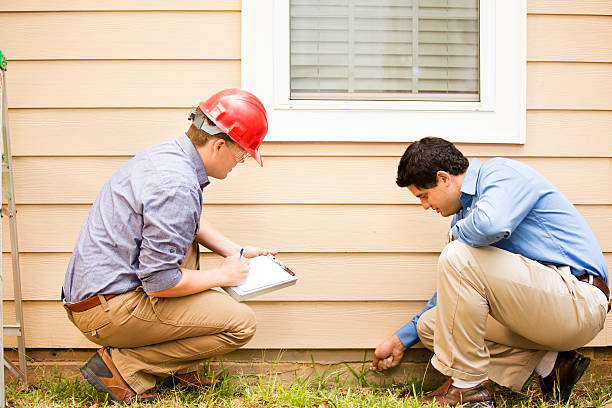
Inspectors or blue collar workers examine building wall, foundation. Outdoors. Repairmen, building inspectors, exterminators, engineers, insurance adjusters, or other blue collar workers examine a building/home's exterior wall and foundation. One wears a red hard hat and clear safety glasses and holds a clipboard. The other checks the foundation with tool. pest control stock pictures, royalty-free photos & images

Perhaps one of the most valuable benefits is peace of mind knowing your home is being treated by qualified experts following industry guidelines for safety standards. With professionals managing this process:
– Parents can focus on other responsibilities without worrying about applying potentially hazardous chemicals themselves.

– Children’s health remains protected from harmful exposure during treatments.

When weighing options for safeguarding your family from pests effectively yet safely, engaging with certified extermination services delivers unmatched value compared to DIY approaches or general store-bought products that often fall short in delivering results tailored specifically toward family homes filled with kids & pets alike

Effective Pest Removal Largo FL: Keep Your Home Safe for Children

Maintaining a pest-free home while ensuring the safety of children is a priority for many parents. Children are naturally curious, and their developing immune systems make them more susceptible to harmful effects from pests and certain pest control methods. Implementing expert strategies to balance safety with effective pest management is crucial.

Integrated Pest Management (IPM) Approach

  • Inspection and Monitoring: Regularly inspect your home for signs of pests such as droppings, chewed materials, or nests.
  • Identification: Properly identify the type of pest to determine the most appropriate treatment method.
  • Control Measures: Use non-toxic control measures first, such as traps or natural deterrents.
  • Seal cracks and crevices around windows, doors, and foundations.
  • Store food in airtight containers to eliminate attractants.
  • Ensure proper sanitation by cleaning crumbs, spills, and food debris promptly.

This science-driven approach significantly minimizes risks to children while effectively addressing infestations.

Safe Use of Pesticides

  1. Use Child-Safe Products: Many pest control companies now offer eco-friendly and low-toxicity products designed with families in mind.
  2. Restrict Access During Treatment: Keep children out of treated areas until the product has dried or settled completely.
  3. Proper Application: Only apply pesticides in targeted areas rather than widespread spraying to reduce exposure risks.

Professional exterminators are trained to apply pesticides correctly while ensuring compliance with health and safety standards.

Non-Toxic Alternatives

  • Diatomaceous Earth (Food Grade): Effective against ants, cockroaches, and other crawling insects without chemical residues.
  • Essential Oils: Peppermint oil is a natural deterrent for spiders; citronella works well against mosquitoes.
  • Boric Acid Baits: When used correctly in hidden areas inaccessible to children, boric acid can help combat pests like roaches effectively.

Parents should consult with professionals before implementing these methods to ensure they align with best practices.

Habits That Prevent Infestations

Habit Impact on Pest Control
Daily cleaning routine Removes food sources that attract pests
Decluttering spaces Eliminates hiding spots for insects like spiders
Regular garbage disposal Prevents odors that draw flies and rodents
Maintenance checks Identifies structural vulnerabilities early

These small adjustments contribute significantly toward creating an inhospitable environment for pests without compromising your family’s well-being.

Consulting Licensed Professionals

When dealing with severe infestations or complex circumstances (e.g., homes with newborns or allergies), hiring licensed exterminators ensures thorough yet safe treatment protocols. They have access to advanced tools and techniques designed specifically for family homes. Additionally, they provide valuable recommendations on how you can maintain a child-safe atmosphere post-treatment.

By balancing effective pest elimination methods with child-focused precautions, families can achieve peace of mind knowing their living spaces remain both safe and comfortable.

The Importance of Choosing Safe and Reliable Pest Solutions for Your Family Home

When dealing with pest control in a home environment, especially one that involves children, safety and reliability are paramount. Many pest control products and strategies can pose risks to young family members if not properly selected or applied. By choosing safe and reliable pest solutions, you not only protect your home but also ensure the health and well-being of your loved ones.

Why Safety is Crucial in Pest Control for Family Homes

Children are more vulnerable to the harmful effects of pesticides and chemical-based pest control methods due to their developing immune systems, smaller body sizes, and close contact with surfaces like floors or toys. As such, it is essential to prioritize child-safe methods when addressing pest infestations.

  • Minimizing Health Risks: Some chemical pesticides can trigger allergic reactions, respiratory issues, or long-term health complications.
  • Preventing Accidental Exposure: Children may come into contact with treated areas or ingest harmful substances if precautions are not taken.
  • Promoting Long-Term Safety: Eco-friendly options often reduce the likelihood of toxic residues lingering in your home environment.

Characteristics of Safe Pest Control Solutions

  • Non-Toxic Ingredients: Products made from natural materials like essential oils or diatomaceous earth reduce harm to children and pets.
  • Eco-Friendly Formulations: Environmentally safe products minimize chemical exposure while effectively targeting pests.
  • Targeted Application: Techniques that focus only on affected areas limit unnecessary spread of pesticides throughout the home.
Type of Solution Description Example Products/Methods
Natural Remedies Use plant-based ingredients to deter pests Essential oil sprays (peppermint, tea tree)
Physical Barriers Prevent pests from entering your home Caulking gaps, installing mesh screens
Professional Safe Methods Licensed services using child-safe products Integrated Pest Management (IPM)

The Role of Reliable Exterminators in Child-Safe Pest Control

A qualified exterminator understands how to balance effective pest eradication with family safety. Opting for services from licensed professionals ensures you benefit from their expertise in choosing solutions designed for homes with children.

  1. Customized Solutions
    Professionals assess your specific situation and recommend treatments tailored to your household needs. This minimizes unnecessary exposure while effectively eliminating pests.
  2. Expert Knowledge on Product Safety
    Licensed exterminators stay up to date on regulations regarding safe pest control products and practices.
  3. Long-Term Prevention Plans
    Beyond immediate treatment, experts provide advice on how to prevent future infestations through structural fixes or lifestyle adjustments.

Steps Parents Can Take Alongside Professional Services

While an exterminator will address the bulk of a pest problem, parents play a critical role in maintaining a clean and safe living environment after treatment.

  • Seal food in airtight containers to reduce attractants.
  • Regularly clean crumbs and spills that may draw pests.
  • Inspect windows, doors, and vents for potential entry points.
  • Use child-proof locks on cabinets containing cleaning agents or pesticide sprays.

By combining professional assistance with proactive measures at home, families can enjoy peace of mind knowing their living space is both pest-free and safe for everyone—especially children.

Top Tips from an Exterminator Largo FL Residents Trust to Eliminate Household Pests

Thorough Inspection and Accurate Identification

One of the first steps taken by licensed exterminators is conducting a comprehensive inspection to identify the extent of the infestation and determine the specific type of pest. This is crucial because different pests require different control methods.

Examples of pests commonly addressed by exterminators include:
Rodents such as mice and rats
Cockroaches, including German cockroaches
Ants, such as carpenter ants or fire ants
Termites, known for structural damage to homes
Bed bugs, which feed on human blood

By accurately identifying these pests, exterminators create tailored plans designed for maximum effectiveness.

Use of Targeted Treatments

  1. Minimal disruption to your household routine
  2. Reduced risk of harm from chemical exposure
  3. More effective eradication

For example, they might use baiting systems for termites, gel baits for cockroaches, or humane traps for rodents instead of broad-spectrum chemicals.

Emphasis on Safety During Treatment

Safety is paramount when it comes to pest control in homes with children or pets. Licensed exterminators are trained to select and apply solutions that minimize risks while maintaining efficacy.

Here’s how they ensure safety:
– Using low-toxicity or eco-friendly products where possible
– Applying pesticides only in targeted areas rather than widespread spraying
– Advising families on precautions during treatment (e.g., vacating certain rooms temporarily)

Preventive Strategies Beyond Extermination

  1. Sealing entry points (e.g., cracks in walls or gaps near doors/windows)
  2. Properly storing food supplies in airtight containers
  3. Removing standing water around the property—a breeding ground for insects like mosquitoes
  4. Regular cleaning routines focused on eliminating crumbs and debris that attract pests

These preventive strategies are instrumental in keeping homes pest-free over time.

Expertise in Handling Resistant Pests

Some pests develop resistance to common pesticides over time, making DIY attempts less effective. Experienced pest control professionals stay updated with industry advancements and employ innovative techniques, such as integrated pest management (IPM), which combines multiple tactics like biological controls, habitat modification, and precise chemical use.

Pest Type Common Resistance Issue Professional Solution
Cockroaches Immunity to over-the-counter sprays Gel baits specifically formulated for resilience
Bed Bugs Resistance to pyrethroid chemicals Heat treatments combined with trapping
Rodents Learned avoidance of traps Strategic placement backed by behavioral study

Cost-Efficiency Over Time

Though hiring a professional may seem costly initially, it often proves more economical long-term compared to repeated DIY attempts that fail to fully resolve infestations. Effective treatment from a certified expert prevents further structural damage (e.g., termites compromising wood integrity) or health risks caused by ongoing exposure to pests like rodents or cockroaches.

Working with licensed exterminators ensures peace of mind while safeguarding your home against persistent threats posed by household pests through both immediate solutions and long-term assurance plans.

Choosing a reputable pest control provider who prioritizes safety and effectiveness sets the foundation for maintaining a secure living environment tailored specifically for your family’s needs.

Key Insights from Working with Licensed Exterminators to Tackle Household Pests

Licensed exterminators bring a wealth of knowledge, experience, and strategies to effectively handle household pests while maintaining the safety of your home. Understanding the process and benefits of working with these professionals can help homeowners make informed decisions when pest issues arise. Here are some key insights into what licensed exterminators offer and why their expertise is invaluable.

Comprehensive Pest Identification

  • Identify pests by their species, behavior, and habitats.
  • Recognize signs of infestation that may be invisible to untrained individuals.
  • Determine the root causes of pest problems rather than treating surface symptoms.

Proper identification ensures targeted treatment plans that address the infestation efficiently without unnecessary treatments.

Customized Treatment Plans

  • The type of pests present (e.g., ants, rodents, termites).
  • The severity of the infestation.
  • The layout and size of your property.

Customized treatments often include a combination of chemical solutions, traps, barriers, and preventative measures. This tailored strategy minimizes risks and maximizes efficiency.

Factor Why It Matters
Pest species Different pests require unique approaches.
Infestation severity Determines whether immediate action or extended monitoring is needed.
Property characteristics Custom solutions account for home structure and layout.

Use of Safe and Approved Products

  1. Minimal exposure to humans and pets.
  2. Proper application techniques to avoid contamination.
  3. Compliance with local laws regarding pesticide usage.

These practices reduce potential health risks while effectively managing pest populations.

Preventative Education for Homeowners

  • Sealing entry points like cracks or gaps in windows and doors.
  • Proper food storage to reduce attractants for pests.
  • Routine maintenance tips that discourage nesting or breeding.

By empowering homeowners with knowledge, they help prevent future infestations from occurring.

Advanced Tools and Techniques

  • Heat treatment equipment for bed bugs.
  • High-powered vacuums for termite removal.
  • Specialized traps designed for specific species.

These tools enhance their ability to eradicate pests thoroughly while protecting your home’s infrastructure.

Long-Term Cost Savings

While hiring an exterminator may seem costly initially, it often saves money in the long run by preventing structural damage caused by termites or rodents or avoiding repeated over-the-counter treatments that fail to solve the problem fully.

When dealing with household pests, partnering with licensed exterminators ensures effective solutions tailored to your needs while prioritizing safety for both your family and property. Their expertise not only resolves current issues but also creates safeguards against future problems—offering peace of mind in maintaining a pest-free environment.


How a Largo FL Pest Control Company Can Help Protect Your Home and Health

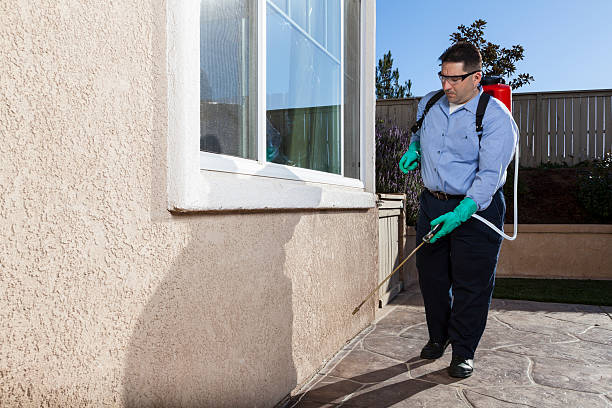
young man chooses to use termite control chemicals that are not toxic to humans mixed with water in tank for spraying to eliminate termites. enabling young man to spray termite repellant by himself young man chooses to use termite control chemicals that are not toxic to humans mixed with water in tank for spraying to eliminate termites. enabling young man to spray termite repellant by himself pest control stock pictures, royalty-free photos & images

Preventative pest control is a proactive approach that helps safeguard your home and health from the threats posed by pests. Left unchecked, pests can cause significant damage to your property, contaminate food, spread diseases, and compromise the well-being of your household. By understanding the value of preventative measures, homeowners can effectively reduce the risks associated with infestations.

Protecting Your Home from Structural Damage

Many pests are known to cause structural harm to homes over time. Termites, for instance, feed on wood and can weaken the foundation and support structures of your property if undetected. Rodents like mice and rats chew through insulation, wiring, and drywall, potentially leading to costly repairs or even fire hazards due to damaged electrical systems.

Preventative pest control measures such as regular inspections, sealing entry points, and applying protective treatments can help avoid these issues.

  • Seal cracks and gaps in walls, windowsills, doors, and foundations to block pest entry.
  • Inspect wooden structures regularly for signs of termite activity such as hollow spots or frass (termite droppings).
  • Keep outdoor areas clean, trimming vegetation near walls and ensuring woodpiles are stored away from the house.

Effective Pest Control Solutions with Exterminator Largo FL by Preventing Disease Transmission

Pests can carry bacteria, viruses, fungi, or parasites that pose serious health risks to humans. Cockroaches spread allergens that trigger asthma attacks while rodents carry diseases like hantavirus or leptospirosis through their droppings or urine.

By implementing preventative pest control strategies early on:
– You reduce exposure to harmful pathogens that pests may introduce into your home. – Minimize the chances of contamination in food storage areas caused by roaches or pantry pests. – Avoid bites from disease-carrying insects like fleas or ticks.

Cost Savings Through Early Intervention

The cost of addressing a full-blown infestation far outweighs that of routine prevention efforts.
– Professional extermination services may become necessary.

– Damaged materials might require expensive repairs or replacements.

– Severe infestations often lead to health-related expenses if illnesses arise within the household.

By scheduling regular inspections with licensed pest control professionals:
1. Potential infestations are detected early before they escalate.

2. Costs remain manageable by avoiding significant structural damage or contamination incidents.

Additional Benefits of Regular Preventative Pest Control

Benefit Description
Increased Peace of Mind A pest-free environment reduces stress levels related to infestations.
Preserving Property Value Homes free from visible damage maintain higher market value over time.
Improved Indoor Hygiene Regular cleaning eliminates droppings/contaminants left behind by intruding pests.

Final Thoughts on Preventative Measures

Taking action now protects both property integrity & family well-being long term w/o waiting till problems worsen response costs multiply instead focus proactive vigilance today.

Effective Pest Control Largo FL Services to Keep Your Space Pest-Free

Regular pest control services are an essential investment for protecting both residential and commercial properties. Maintaining a pest-free environment ensures not only the safety of your property but also the health and well-being of its occupants. Below, we explore the key benefits of scheduling regular pest control services and how they contribute to a healthier, safer living space.

Effective Pest Removal Largo FL to Prevent Property Damage

  • Termites: Known for feeding on wood, termites can weaken wooden structures like walls, ceilings, or furniture.
  • Rodents: Mice and rats have sharp teeth that can chew through insulation, wires, or even concrete in some cases.
  • Carpenter Ants: Unlike termites, carpenter ants don’t eat wood but hollow it out to build their nests.

Regular inspections and treatments help detect these pests early before they cause costly repairs.

Safeguarding Health

Pests carry various pathogens that pose risks to human health.

  • Bacteria and Viruses: Cockroaches are known carriers of E. coli and Salmonella bacteria, while rodents may spread hantavirus or leptospirosis.
  • Allergens: Rodent droppings and cockroach fragments can trigger asthma symptoms or allergic reactions in sensitive individuals.

A proactive approach to pest management reduces these risks significantly.

Effective Pest Control Services Largo FL to Prevent Infestations

One-time treatments may address an existing infestation but fail to prevent future issues.

  1. Routine Inspections– Identify potential entry points or early signs of pest activity before infestations grow uncontrollably.
  2. Integrated Pest Management (IPM)– A comprehensive approach combining physical barriers, traps, reduced pesticide usage, and education on maintaining cleanliness.
  3. Seasonal Treatments – Many pests follow seasonal patterns; for instance:
  4. Spring treatments focus on ants awakening from hibernation.
  5. Summer calls for mosquito abatement programs.
  6. Fall addresses rodent entry into homes seeking warmth.

This layered prevention strategy minimizes long-term risk effectively.

Peace of Mind

A professional service provider ensures that you don’t have to worry about unexpected infestations disrupting your daily life—allowing you peace of mind knowing your space is consistently monitored by experts who understand local pest trends.

Benefit Outcome
Early Detection Catches issues at manageable stages
Cost Savings Prevents expensive structural damage caused by advanced infestations
Consistent Monitoring Reduces likelihood of recurring problems
Expert Knowledge Access trained professionals who identify pests quickly

Incorporating regular pest control into your property maintenance plan is highly beneficial for ensuring long-term comfort while protecting both people’s health and structural investments alike.

Understanding the Importance of Effective Pest Management Strategies

Effective pest management strategies are essential for protecting your property, health, and overall well-being. Pests such as rodents, insects, and other unwanted critters can cause damage to structures, contaminate food, spread diseases, and create an uncomfortable living environment. Adopting a structured approach to pest management ensures both immediate and long-term control.

Key Components of Effective Pest Management

To develop a successful pest management plan, it is necessary to understand the core components that contribute to its effectiveness.

  1. Conduct regular inspections of your property to identify signs of pest activity.
  2. Pay attention to potential entry points such as cracks in walls or gaps around windows and doors.
  3. Look for evidence like droppings, nests, chewed materials, or grease marks left by pests.
  4. Properly identify the type of pest present on your property.
  5. Use resources like field guides or consult with a professional exterminator if unsure.
  6. Understanding the behavior and habitat of pests is critical for effective control measures.
  7. Remove food and water sources that attract pests (e. g. , clean up spills promptly and store food in sealed containers).
  8. Seal cracks and crevices in walls or foundations to block entry points.
  9. Maintain proper landscaping by trimming back trees and shrubs that could serve as bridges for pests.
  10. Control Methods
    Control measures fall into three broad categories:

    • Physical Controls: Includes traps or barriers designed to capture or block pests.
    • Chemical Controls: Application of pesticides; however, these should be used responsibly to avoid harm to non-target species or the environment.
    • Biological Controls: Introduction of natural predators (e. g. , beneficial insects) to reduce specific pest populations naturally.
  11. Set up regular monitoring systems to track recurring infestations or new pest activity.
  12. Use tools such as sticky traps or bait stations as part of an integrated system.

Benefits of Strategic Pest Control

An effective strategy does more than just eliminate existing issues—it prevents future infestations while safeguarding health and property.

  • Health Protection: Reduces exposure to diseases caused by pathogens carried by pests (e. g. , salmonella, hantavirus).
  • Cost Savings: Prevents structural damage caused by termites or rodents, reducing repair costs in the long run.
  • Environmental Sustainability: Strategic use of eco-friendly solutions minimizes environmental impact compared to indiscriminate pesticide use.
  • Peace of Mind: A pest-free home promotes a sense of security for occupants.

Example Table: Common Pests and Solutions

Pest Type Issues Caused Suggested Control Measures Prevention Tips
Rodents Chewed wires/damage; disease spread Traps; bait stations; seal entryways Store food properly; clean crumbs
Termites Structural damage Professional inspection & treatment Remove wood debris near foundation
Cockroaches Food contamination; allergens Gel baits; insect growth regulators Fix leaks; remove garbage promptly

By implementing proactive measures and employing an integrated approach tailored to specific needs, you can ensure your living space remains free from harmful pests while promoting healthier surroundings for all occupants.

How to Identify Common Household Pests and Prevent Infestations

Household pests can pose risks to both your property and your health. Identifying them early and taking preventive measures are key steps in managing infestations effectively. Below, we explore common household pests, the signs of their presence, and actionable tips for keeping them at bay.

Exterminator in workwear Professional exterminator in protective workwear spraying pesticide in apartment. pest control stock pictures, royalty-free photos & images

Common Household Pests and How to Spot Them

  1. Signs: Small trails of ants near food sources or along walls.
    • Keep food sealed in airtight containers.
    • Clean crumbs and spills immediately.
    • Seal cracks around windows, doors, and baseboards.
  2. Signs: Droppings resembling small black pellets, egg casings, or a musky odor.
    • Eliminate excess moisture by fixing leaky pipes.
    • Regularly take out the trash and store it in sealed bins.
    • Use caulk to seal entry points around your home.
  3. Signs: Chewed wires or furniture, droppings, or scratching sounds in walls.
    • Store pet food and pantry items securely.
    • Trim tree branches that touch or hang over your roofline.
    • Inspect for gaps around vents or utility lines and seal any openings.
  4. Signs: Hollow-sounding wood, mud tubes on exterior walls, or discarded wings near windowsills.
    • Remove wood debris from your yard or near the foundation of your house.
    • Use treated wood for construction projects around the home.
    • Schedule regular inspections by a pest control professional.
  5. Signs: Reddish-brown stains on bedding, itchy welts on skin after sleeping, or live bugs hidden in mattress seams.
  6. Prevention:
    • Wash bedding frequently using hot water settings.
    • Vacuum mattresses regularly and use protective bed covers.
    • Be cautious when purchasing second-hand furniture; inspect items thoroughly before bringing them inside.

General Tips for Preventing Pest Infestations

  • Maintain cleanliness throughout all areas of your home to eliminate potential food sources for pests.
  • Dispose of garbage promptly and ensure outdoor bins are tightly closed.
  • Keep vegetation trimmed back from exterior walls to reduce hiding spots for insects like spiders and ants.
  • Repair damaged screens on doors and windows to prevent pests from entering your home.

Table: Common Entry Points for Pests

Entry Point Example Pests Prevention Tip
Cracks in Walls Ants, cockroaches Seal cracks with caulk or weatherstripping
Open Windows Flies, mosquitoes Install screens or use insect-resistant mesh
Drains Cockroaches Clean drains regularly with vinegar or bleach
Attics Rodents Store items in sealed bins; inspect insulation

Identifying household pests early is crucial for preventing costly damage and health risks associated with infestations. By remaining vigilant about potential entry points and employing preventative measures like proper sanitation practices, you can protect your living space while reducing the need for reactive pest control treatments down the line.

Eco-Friendly Pest Control Solutions for a Healthier Environment

As environmental awareness continues to grow, many homeowners and businesses are opting for greener approaches to pest control. Eco-friendly pest control solutions not only protect your property but also minimize harm to the environment, pets, and human health. These sustainable methods focus on addressing pest problems while ensuring a balance with nature.

Why Choose Eco-Friendly Pest Control?

  • Reduced Chemical Exposure: Traditional pesticides can leave harmful residues in the air and soil. Eco-friendly alternatives use natural or non-toxic substances that are safer for you and your family.
  • Preservation of Ecosystems: Harsh chemicals can harm beneficial insects and disrupt ecosystems. Green pest control focuses on targeted interventions that minimize ecological damage.
  • Better Indoor Air Quality: Chemical-based pest treatments can release fumes that affect indoor air quality, whereas eco-solutions reduce this risk significantly.
  • Sustainable Practices: These methods promote long-term pest prevention instead of relying solely on reactive measures, reducing waste and overuse of resources.

Common Eco-Friendly Pest Control Methods

  1. IPM emphasizes understanding the behavior and biology of pests to create effective, low-impact solutions.
  2. This method includes monitoring pests, identifying potential risks, and applying targeted treatments only when necessary.
  3. Essential oils like peppermint, tea tree oil, citronella, or eucalyptus act as natural deterrents for pests such as mosquitoes, ants, or spiders.
  4. Neem oil is widely used in gardens to ward off harmful insects without harming plants.
  5. Introducing beneficial predators like ladybugs or praying mantises into a garden helps naturally reduce populations of harmful insects.
  6. Nematodes (microscopic worms) are another biological option to control soil-dwelling pests.
  7. Sealing cracks in walls or floors prevents entry points for pests such as cockroaches or rodents.
  8. Installing mesh screens on windows and doors keeps flying insects out while allowing ventilation.
  9. Products derived from plant-based materials provide an alternative to synthetic chemicals.
  10. Examples include insecticidal soaps or sprays made with pyrethrins extracted from chrysanthemum flowers.
Method Example Target Pests
Natural Repellents Peppermint Oil Ants, Spiders
Biological Controls Ladybugs Aphids
Physical Barriers Mesh Screens Flies
Organic Pesticides Neem Oil Garden Insects

Tips for Implementing Green Pest Control

  • Perform regular inspections of your home to identify early signs of infestations.
  • Remove sources of food and water that attract pests (e. g. , clean crumbs or fix leaking pipes).
  • Practice proper waste disposal by sealing trash bins tightly.
  • Keep your landscaping neat by trimming bushes and clearing debris where pests may hide.
  • Work with professional exterminators who specialize in green pest control services if needed.

By making thoughtful choices regarding pest management practices, you can protect both your living space and the planet while maintaining a healthy environment for all its inhabitants.

Eco-Friendly Pest Control Solutions for a Healthier Environment

As concerns about environmental sustainability grow, many homeowners and businesses are seeking eco-friendly pest control solutions that minimize harm to the ecosystem and promote a healthier living environment. Traditional pest control methods often rely on chemical pesticides, which can pose risks to human health, pets, and beneficial organisms. Eco-friendly alternatives provide effective pest management while maintaining balance in the natural environment.

Principles of Eco-Friendly Pest Control

  • Prevention Over Elimination: Preventing infestations by addressing potential entry points and vulnerabilities is more sustainable than eradicating pests after they have established themselves.
  • Use of Natural Products: Employing natural or less-toxic materials helps reduce exposure to harmful chemicals.
  • Integrated Pest Management (IPM): This approach combines multiple strategies such as biological controls, habitat modification, and careful monitoring to manage pests effectively and sustainably.

Advantages of Eco-Friendly Pest Control

  1. Pesticides often contaminate soil, water, and air. Switching to eco-friendly options minimizes pollution and protects ecosystems.
  2. Beneficial insects like bees or ladybugs are less likely to be harmed by natural solutions.
  3. Chemical pesticides may cause respiratory issues, skin irritation, or other health problems in humans and animals when overused or misapplied.
  4. Natural alternatives reduce exposure to toxic substances for families and pets.
  5. Sustainable practices address root causes such as poor sanitation or structural vulnerabilities rather than relying solely on temporary fixes.
  6. Preventative approaches help maintain long-term pest-free conditions without repeated applications of harsh chemicals.

Examples of Eco-Friendly Pest Control Methods

Method Description
Biological Controls Introducing natural predators like nematodes for soil-based pests or ladybugs for aphids.
Organic Remedies Using plant-based insecticides such as neem oil or diatomaceous earth for safe treatment.
Physical Barriers Installing screens, sealing cracks, and using traps instead of chemical sprays.
Cultural Practices Modifying environmental factors like eliminating standing water to deter mosquitoes.

Tips for Implementing Green Pest Control at Home

  • Keep your space clean by disposing of food waste promptly and storing food in sealed containers.
  • Repair leaky pipes or damp areas since many pests thrive in moist environments.
  • Use essential oils like peppermint or eucalyptus as natural repellents against ants, spiders, and rodents.
  • Plant pest-repellent herbs such as lavender or marigold around your garden.

The Role of Professional Services in Eco-Friendly Pest Control

  • Licensed exterminators specializing in green practices utilize cutting-edge tools like heat treatments instead of traditional fumigation techniques.
  • They conduct a thorough inspection to identify infestation sources while ensuring minimal disruption to local wildlife.

Eco-friendly pest control not only enhances the safety of your home but also contributes positively toward global efforts in safeguarding our planet’s resources for future generations.


Largo FL Pest Control Company: Understanding the Key Differences Between Pest Control and Extermination

Professional exterminator in work wear spraying pesticide or insecticide with sprayer tank. Professional exterminator in work wear spraying pesticide or insecticide with sprayer tank. pest control stock pictures, royalty-free photos & images

When dealing with pest problems, understanding the distinction between pest control and extermination is crucial. While the terms are often used interchangeably, they represent different approaches to managing pests. Below, we’ll explore these differences to help you determine which service best suits your needs.

What is Pest Control?

Pest control involves the use of integrated strategies to manage and prevent pest infestations long-term.

  • Inspection and Assessment: A thorough examination of the property to determine pest entry points, nesting sites, and food sources.
  • Prevention Measures: Sealing gaps, installing barriers, or modifying landscaping to deter pests from entering.
  • Use of Targeted Treatments: Application of pesticides or traps in a controlled manner to minimize risks.
  • Ongoing Monitoring: Regular inspections and maintenance to prevent future infestations.

Pest control is proactive and sustainable. It prioritizes long-term prevention over quick fixes, making it ideal for individuals seeking environmentally friendly solutions.

What is an Exterminator?

Exterminators focus on eradicating existing pest infestations through aggressive measures. Historically, extermination has been associated with extensive pesticide use to eliminate pests as quickly as possible.

  • Immediate Action: Designed for severe infestations that require urgent eradication.
  • Chemical Applications: Heavy reliance on pesticides that may not always target specific pests but aim for fast results.
  • Minimal Preventative Focus: The primary goal is removal rather than addressing underlying causes.

While extermination can be effective in crisis situations involving significant infestations (e. g. , bed bugs or termites), it may not address long-term prevention or environmental impact.

Key Differences at a Glance

Feature Pest Control Extermination
Approach Proactive and preventative Reactive and immediate
Focus Long-term management Quick infestation removal
Treatment Methods Integrated strategies; eco-friendly Heavy pesticide application
Environmental Impact Reduced Higher
Monitoring & Maintenance Regular assessments Limited

Choosing Between Pest Control and Extermination

  1. The Severity of the Infestation
  2. For minor issues or preventive care, pest control services are ideal.
  3. For severe outbreaks requiring immediate action, exterminators may be necessary.
  4. Environmental Concerns
  5. If you prefer environmentally responsible methods with minimal chemical exposure, opt for modern pest control companies that emphasize integrated approaches.
  6. Long-Term Needs
  7. For ongoing protection and sustainable results, pest control providers offer consistent maintenance plans.

By understanding these distinctions in approach and execution, you can make a more informed decision when addressing your specific pest challenges.

Effective Pest Removal Largo FL: Methods and How They Work

Effective pest control plays a crucial role in safeguarding your home, health, and property. Various methods are employed to manage and eliminate pests, each tailored to address specific infestations or risk factors.

This method utilizes natural predators or pathogens to control pest populations. It is eco-friendly and avoids the use of synthetic chemicals.

Examples of biological agents:

Predators: Ladybugs for aphid control, birds for insect management

Parasites: Parasitic wasps targeting caterpillars

– Pathogens: Fungi, bacteria, or viruses that insect pests (e. g.

How it works: Biological agents are introduced into the infested area where they naturally prey on or infect the target pests. This method is often used in agricultural settings but can also be effective in residential gardens.

Chemical methods involve using pesticides to eliminate pests quickly and effectively. While highly efficient, these should be used with caution due to potential environmental and health concerns.

Common types of pesticides: | Type | Purpose | Example Chemicals | |——————–|——————————————–|——————————————–| | Insecticides | Targets insects such as ants or cockroaches | Pyrethroids, Organophosphates | | Herbicides | Targets unwanted plants (weeds) | Glyphosate | | Rodenticides | Eliminates rodents | Anticoagulants such as Warfarin |

How it works:
Pesticides are applied directly to problem areas or placed strategically in bait traps.

For instance:

– Spraying insecticides on entry points or hiding spots.

– Applying rodenticide-laced baits near nesting sites.

This involves physical tools and strategies to remove pests without harmful chemicals.

Examples include:

Traps: Mouse traps, sticky boards for insects

Barriers: Window screens, door sweeps

Manual Removal: Hand-picking larger pests like snails from gardens

How it works:
Mechanical pest control creates physical obstacles against intrusions or directly eliminates present infestations by capturing or removing them.

Cultural pest controls focus on altering human practices to minimize conditions that attract pests.

Common practices include:

– Proper food storage in airtight containers

– Regular waste disposal

– Reducing standing water to prevent mosquito breeding

How it works:
By addressing underlying factors—such as poor sanitation or clutter—cultural controls disrupt pest habitats and food sources.

IPM combines multiple approaches (biological, cultural, mechanical) into a comprehensive strategy while minimizing pesticide use.

Steps involved in IPM:

1. Monitoring pest activity regularly.

2. Identifying pests accurately.

3. Employing non-toxic methods first.

4. Using targeted chemical treatments only when necessary.

How an Exterminator Largo FL Can Eliminate Pests Effectively

Exterminators play a critical role in addressing pest infestations by focusing on the immediate eradication of pests from homes or businesses. Their primary goal is to eliminate pests quickly and efficiently, often using specialized tools, techniques, and chemical solutions. Below is a breakdown of what exterminators typically do to ensure effective pest elimination.

The first step in the extermination process is a thorough inspection of the property.

An exterminator will:

– Identify the type of pest(s) causing the problem.

– Locate areas where pests are nesting or entering the property.

Once the inspection is complete, exterminators develop a tailored treatment plan based on:

– The type and species of pest involved.

– Any specific challenges posed by the property layout or environmental conditions.

Treatment plans often include both immediate action steps and recommendations for follow-up measures to prevent re-infestation.

Exterminators use professional-grade products and methods to tackle pest problems effectively.

  • Chemical Treatments
    These involve applying pesticides or insecticides directly to affected areas such as cracks, crevices, nests, or entry points.
  • Baiting Systems
    Baits attract pests like rodents, ants, or cockroaches with food-based lures combined with slow-acting poison. Exterminators strategically place baits in areas where pests are most active.
  • Fumigation
    For severe infestations (such as termites or bedbugs), fumigation may be necessary. This involves sealing off an entire structure and introducing a gas-based pesticide that penetrates walls, furniture, and other hard-to-reach spaces.
Treatment Method Common Uses Pros Cons
Chemical Sprays Ants, cockroaches, spiders Quick results Potential health/environmental impact
Bait Stations Rodents, ants Precise targeting Slow action
Fumigation Termites, bed bugs Comprehensive coverage Requires evacuation

Exterminators prioritize safety during applications by:

– Wearing appropriate personal protective equipment (PPE).

– Ensuring proper ventilation when using chemicals indoors.

– Informing residents about precautions (e. g., avoiding treated areas for a specified time).

They also provide guidance on safe cleaning practices post-treatment to reduce residual exposure risks.

Professional exterminators often conduct follow-up visits to:

– Monitor for any remaining signs of pest activity.

– Reapply treatments as needed for complete eradication.

– Address customer concerns about preventative measures going forward.

Why Choose Professional Extermination?

While DIY methods can sometimes address minor infestations temporarily, they often fall short against severe or recurring issues. Professional exterminators bring expertise that ensures:

1. Correct identification and targeted treatment.

2. Access to more effective tools/products not available over the counter.

3. Guaranteed results through ongoing monitoring or warranties offered by many service providers.

By understanding what exterminators do during each stage of their work process—from inspection through follow-up—you can make informed decisions about how best to address your pest control needs effectively without unnecessary delays or risks associated with incomplete solutions.

Key Differences Between Exterminators and Pest Control Services Largo FL

Understanding the distinction between exterminators and pest control professionals is essential for addressing pest problems effectively. While both roles aim to manage and eliminate pest issues, their approaches, techniques, and long-term objectives are distinct.

  • Exterminator:
    Exterminators focus on the immediate elimination of pests using chemical pesticides. Their primary goal is to eradicate pests quickly, often without considering the long-term prevention of infestations.
  • Example: Fumigation or heavy pesticide application to kill termites or cockroaches.
  • Pest Control Professional:
    Pest control specialists prioritize long-term management by identifying the root cause of infestations and implementing sustainable solutions. They often use an Integrated Pest Management (IPM) approach that minimizes chemical use while addressing environmental factors contributing to pest problems.
  • Example: Sealing entry points, using bait systems, or deploying eco-friendly traps.

House pest control Professional exterminator in protective workwear spraying pesticide in apartment kitchen. pest control stock pictures, royalty-free photos & images

Aspect Exterminator Pest Control Professional
Chemicals Relies heavily on toxic pesticides Focuses on safer alternatives when possible
Prevention Strategies Rarely addresses recurrence prevention Emphasizes prevention through education
Techniques Reactive approach Proactive and holistic approach
  • Exterminator:
    The methods employed by exterminators often involve high-toxicity substances that may pose risks to pets, humans, and the environment if not applied carefully.
  • Pest Control Professional:
    Many pest control experts lean toward eco-friendly products, mechanical controls (e. g. , traps), or biological solutions like introducing natural predators to manage pest populations.
  • Exterminator Training: Primarily focuses on pesticide application techniques.
  • Pest Control Training: Includes education about pest biology, behavior analysis, habitat modification strategies, and sustainable methods.
  • Extermination is usually a short-term solution aimed at eliminating pests present at the time of treatment without necessarily deterring future infestations.
  • Pest control professionals aim for lasting results by addressing conditions that attract pests—such as moisture issues or food accessibility—and educating clients about maintenance.

Choosing Between an Exterminator or Pest Control Service

  1. g. , bed bugs or termites), an exterminator might be suitable.
  2. For ongoing management that minimizes risks to your family’s health or your property’s structural integrity over time, working with a pest control professional is typically the better choice.

By understanding these fundamental differences, property owners can make informed decisions about managing their specific pest concerns effectively while considering safety and sustainability factors in the process.

Eco-Friendly Pest Control Largo FL Methods for a Safer Home or Business

As concerns about environmental sustainability grow, many homeowners and businesses are turning to eco-friendly pest control solutions. These methods focus on minimizing harm to the environment, humans, and pets while effectively managing pest populations. Below are some eco-conscious approaches to pest control that prioritize safety and sustainability.

Benefits of Eco-Friendly Pest Control

  1. Healthier Environment: Reduced use of toxic chemicals leads to cleaner air, water, and soil.
  2. Safer for Humans and Pets: Eco-friendly methods prevent exposure to harmful pesticides, protecting families, employees, and animals.
  3. Long-Term Sustainability: Emphasizes prevention over eradication, promoting natural pest deterrence.
  • Prevention: Closing entry points such as cracks or crevices in walls or windows.
  • Physical Barriers: Using mesh screens or sealants to block entryways.
  • Targeted Treatments: Employing localized methods like traps instead of widespread spraying.

Biological pest control involves introducing natural predators or parasites that target specific pests without disrupting other organisms.

Pest Type Biological Control Agent
Aphids Ladybugs
Mosquitoes Bacillus thuringiensis (Bti) bacteria
Caterpillars Parasitic wasps

This method is particularly effective in outdoor settings like gardens or agricultural fields.

  • Essential oils like peppermint, eucalyptus, or tea tree oil for spiders and ants.
  • Vinegar sprays as a deterrent for fruit flies in kitchens.
  • Diatomaceous earth for controlling cockroaches or bedbugs – it dehydrates their exoskeletons without relying on synthetic chemicals.

DIY Tips for Eco-Friendly Pest Prevention

  1. Regularly vacuum carpets and rugs.
  2. Wipe down countertops to remove crumbs or spills that attract pests.
  3. Use caulk to seal cracks around doors and windows.
  4. Install weather stripping on doors to block small gaps.
  5. Dispose of garbage promptly in sealed bins.
  6. Compost organic waste far from living areas.
  7. Use Plants as Natural Deterrents: Certain plants like lavender (moths), basil (flies), and marigolds (mosquitoes) naturally repel pests when placed indoors or outdoors.

Limitations of Traditional Chemical Pesticides

  • Harmful residues left behind post-application.
  • Development of pesticide-resistant pests over time.
  • Potential contamination of nearby water sources through runoff.

Eco-friendly alternatives address these issues by reducing reliance on harsh chemicals while still achieving effective results.

Conclusion

Adopting eco-friendly pest control not only protects your home or business but also contributes positively toward environmental health. Whether through prevention techniques like sealing gaps or using biological controls such as natural predators, these methods offer sustainable solutions for managing pests responsibly.

Eco-Friendly Pest Control Methods for a Safer Home or Business

These approaches not only manage pest problems effectively but also minimize harm to the environment, pets, and humans.

Benefits of Eco-Friendly Pest Control

  • Reduced Environmental Impact: These methods avoid synthetic chemicals, reducing soil and water contamination.
  • Safer Indoor Environment: They are less toxic to humans and pets, making them suitable for homes with children or animals.
  • Sustainability: Many eco-friendly solutions are designed to provide long-term protection without disrupting ecosystems.

Natural Repellents

Natural repellents use plant-based ingredients to deter pests without harmful chemicals.

  • Essential Oils: Oils such as peppermint, eucalyptus, and lavender repel insects like ants, mosquitoes, and spiders.
  • Vinegar Solutions: A mixture of water and vinegar can keep ants at bay.
  • Herbal Plants: Growing plants like basil, lemongrass, or citronella in your yard can naturally repel pests.

Biological Pest Control

Biological pest control involves using living organisms to manage pest populations. This method is especially beneficial for agricultural or garden settings.

Examples: | Predator | Target Pests | Application | |———-|————–|————-| | Ladybugs | Aphids | Release in gardens to protect plants | | Parasitic Wasps | Caterpillars | Used in farms for crop protection | | Nematodes | Soil-dwelling pests like grubs | Added directly into soil |

Biological control not only reduces dependence on pesticides but also fosters ecological balance by maintaining biodiversity.

Integrated Pest Management (IPM)

Integrated Pest Management is a holistic approach that combines multiple strategies for eco-friendly pest control.

  1. Seal cracks and crevices around your home.
  2. Install window screens to block insect entry points.
  3. Maintain cleanliness by regularly removing food scraps and trash.
  4. Use traps or sticky pads for tracking pest activity.
  5. Apply natural baits instead of chemical sprays.
  6. Use physical barriers like mesh nets around crops.

This strategy ensures that pests are managed effectively without over-reliance on toxic substances.

DIY Eco-Friendly Traps

  • Fruit Fly Trap: Combine apple cider vinegar with dish soap in a jar; flies are attracted but unable to escape.
  • Ant Bait Station: Mix sugar water with borax (a natural mineral) to lure ants away from their nest.

Ensure these traps are placed safely out of reach of pets or children.

Professional Eco-Friendly Services

For larger infestations requiring expertise, many professional pests control providers now offer environmentally responsible services.

When hiring a provider:

– Look for certifications indicating adherence to green practices (e. g., GreenPro certification).

– Ask about the specific products used and their environmental safety profiles.

By adopting eco-friendly solutions at both personal and professional levels, individuals can protect their property while contributing positively toward sustainability efforts.

Choosing the Right Pest Control Provider for Long-Term Solutions

When it comes to managing pests in your home or business, selecting the right pest control provider is critical for achieving lasting results. A well-qualified pest control company will ensure not only immediate relief but also preventive measures to avoid future infestations. Here’s a guide to help you make an informed decision.

Assessing Your Needs

Before selecting a provider, it’s essential to understand your specific pest control needs.

  • Type of Pests: Determine whether you’re dealing with rodents, insects, termites, or other pests.
  • Level of Infestation: Is it a minor issue or a recurring problem that needs long-term solutions?
  • Location and Environment: Certain methods might be more suitable for commercial properties versus residential spaces. Additionally, eco-friendly approaches may be necessary in environmentally sensitive areas.

What to Look for in a Provider

Choosing the right pest control company involves evaluating key aspects of their service offerings and reputation.

  1. Licensing and Certification:
    Ensure the provider holds proper licensing from local authorities and certifications from recognized pest management associations.
  2. Experience and Expertise:
    Look for companies with years of experience handling cases similar to yours. Ask whether they specialize in specific pest types or offer customizable treatment plans.
  3. Integrated Pest Management (IPM):
    Opt for providers that practice IPM approaches, combining prevention, monitoring, and targeted treatments rather than relying on excessive pesticide use.
  4. Eco-Friendly Solutions:
    For those concerned about environmental impact or safety around children and pets, choose providers who use non-toxic or low-toxicity alternatives.
  5. Customer Reviews and References:
    Read reviews online or ask for references from past clients to gauge their reliability and effectiveness.
  6. Guarantees or Warranties:
    Check if they offer any guarantees on their services or free follow-ups if pests return within a specified timeframe.

Questions to Ask Before Hiring

  • How long have you been in business?
  • What is your approach to treating my specific issue?
  • Do you carry insurance? If so, what does it cover?
  • Are your technicians certified and trained regularly?
  • Can you provide an estimate after inspection?

Comparing Providers: A Sample Table

Factor Provider A Provider B Provider C
Licensing & Certification ✅ Certified ✅ Certified ❌ Pending
Experience (Years) 10+ 5 2
Eco-Friendly Options Yes No Yes
Customer Reviews (Rating) ★★★★★ ★★★★☆ ★★★☆☆
Warranty/Guarantee Yes No Limited

Long-Term Value Over Short-Term Fixes

While cost is often a concern when choosing a service provider, it’s essential not to focus solely on price alone. High-quality pest control companies may charge more upfront but provide robust preventive measures that save money over time by reducing recurring infestations.

By carefully considering these factors and doing thorough research, you can select the ideal pest control provider that aligns with your needs while providing effective long-term solutions tailored specifically for your home or business environment.