
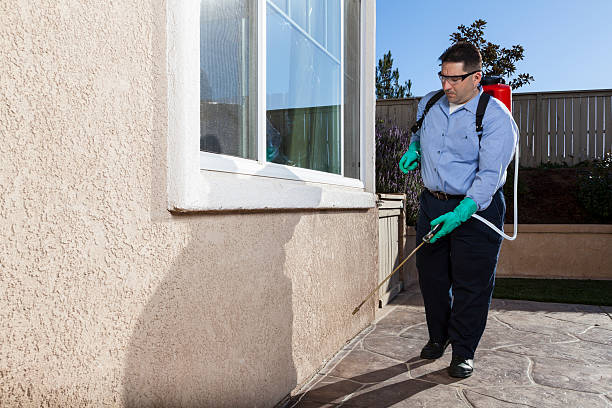
The safety of pets and children is a primary concern when implementing pest control treatments in homes or businesses. While pest control is essential for managing infestations, ensuring that the methods used are safe for vulnerable family members is equally critical. Understanding potential risks and adopting best practices can help maintain safety without compromising the effectiveness of pest management.
Potential Risks of Pest Control Treatments
- Inhalation of Toxic Fumes: Certain pesticides release fumes that may irritate the respiratory system.
- Skin Contact: Direct contact with treated surfaces may cause skin irritation or allergic reactions.
- Ingestion: Pets or young children may accidentally ingest pesticide residues left on floors, furniture, or other surfaces.
- Chemical Sensitivity: Some individuals may experience adverse reactions to specific ingredients in pest control products.
Choosing Safe Pest Control Options
- Select Low-Toxicity Products
Look for products labeled as low-toxicity or organic. These typically use natural ingredients that reduce potential harm. - Use Baits Over Sprays
Traps and bait stations are often safer alternatives to sprays since they target pests directly without dispersing chemicals into the air. - Hire Certified Professionals
Professional pest control companies often adhere to strict safety guidelines and use products approved by regulatory agencies such as the EPA (Environmental Protection Agency). - Consider Non-Chemical Methods
Physical barriers, traps, or integrated pest management (IPM) strategies can effectively manage pests without relying on chemical solutions.
Best Practices During Treatment
- Relocate pets and children from the treatment area until it is deemed safe by professionals.
- Cover toys, food items, pet bowls, and bedding to prevent contamination during the process.
- Ventilate treated areas thoroughly before allowing access.
Post-Treatment Safety Tips
| Action | Purpose |
| Clean Treated Surfaces | Remove chemical residues from floors and countertops where possible. |
| Monitor Pets & Children | Watch for signs of discomfort or unusual behavior after re-entry. |
| Dispose of Leftover Products | Safely discard any remaining pesticides as per manufacturer instructions. |
Conclusion
By choosing low-toxicity options, hiring certified professionals, and adhering to proper precautions during and after treatment, you can create a safe environment free from pests while protecting both pets and children from potential harm.
Ensuring Safety and Effectiveness in Pest Control Largo FL Services
When it comes to pest control, safety should always be the primary consideration. Whether you’re dealing with ants, rodents, termites, or other invasive pests, the methods and treatments used must prioritize the health and well-being of all individuals in the environment. This includes children, pets, and even non-target wildlife. A professional pest control service that emphasizes safety ensures not only effective results but also peace of mind for homeowners and businesses.
Effective Solutions from an Exterminator Largo FL to Avoid Unsafe Pest Control Practices
Without proper attention to safety, pest control can pose several risks:
– Chemical Exposure: Many pesticides contain chemicals that can be harmful if ingested, inhaled, or absorbed through the skin. Children and pets are particularly vulnerable due to their smaller size and closer contact with surfaces where these substances may linger.
– Environmental Impact: Overuse or improper application of pesticides can contaminate soil, groundwater, and nearby ecosystems. Such practices can harm pollinators like bees as well as other beneficial organisms.
– Resistance Development: Using unsafe or excessive measures may contribute to pests developing resistance over time—making future infestations harder to treat.
Effective Pest Control Services Largo FL: Ensuring Safety and Results
1. Thorough Assessment
A competent pest control provider conducts an initial inspection to understand the infestation’s extent and underlying causes. This allows them to design tailored strategies rather than relying on generic chemical-heavy solutions.
2. Integrated Pest Management (IPM)
IPM is a science-based approach focusing on long-term prevention through methods such as habitat modification, exclusion techniques (e.g., sealing cracks), biological controls (e.g., introducing natural predators), and minimal use of chemicals when absolutely necessary.
3. Minimal Use of Toxic Chemicals
Choosing products with low toxicity levels reduces potential harm while still targeting pests effectively. When chemicals are required, they should be applied in controlled amounts following manufacturer guidelines.
4. Protective Measures for Occupants
Professionals ensure all occupants are informed about safety precautions:
– Removing children’s toys or pet food dishes from treated areas before application.
– Ventilating treated spaces adequately after completion.
– Advising on any post-treatment restrictions such as keeping pets off treated lawns for a specified period.
How Homeowners Can Support Safety
| Actions | Benefits |
| Seal cracks around windows/doors | Prevents pests from entering your home |
| Keep food stored tightly | Reduces attraction for insects/rodents |
| Remove standing water outdoors | Limits breeding grounds for mosquitoes |
Additionally:
– Always discuss treatment plans with your provider ahead of time—ask about product ingredients if necessary.
– Avoid DIY treatments using over-the-counter sprays without understanding their suitability or potential hazards.
Partnering With Responsible Professionals
Safety-conscious pest control services prioritize transparency about their practices and products used during treatments. Look for licensed providers trained in IPM who communicate clearly about any precautions needed before or after treatment visits.
By placing emphasis on safe methods tailored specifically for your household’s needs—be it families with young children or homes shared with beloved pets—you ensure not only effective pest eradication but also a healthy living environment free from unnecessary risks associated with unsafe practices.
Effective and Responsible Solutions from a Largo FL Pest Control Company
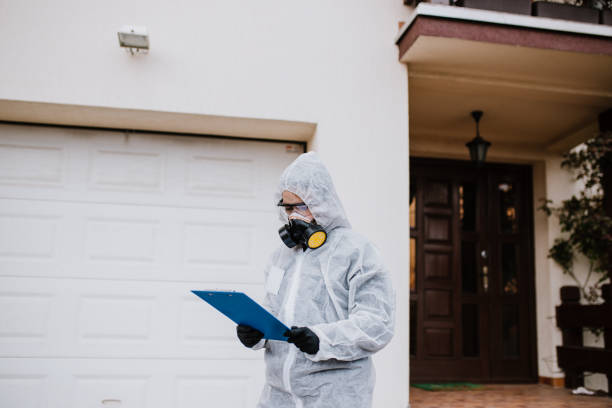
Integrated Pest Management (IPM) is a comprehensive approach to pest control that emphasizes long-term prevention and sustainable solutions. It combines scientific knowledge, practical strategies, and environmentally responsible practices to manage pests effectively while minimizing risks to human health, pets, and the environment. Let’s explore what makes IPM a preferred method in modern pest management.
Principles of IPM
- Prevention
Preventing pest infestations is the first line of defense in IPM. This involves: - Sealing entry points such as cracks or gaps around windows and doors.
- Maintaining cleanliness to remove food sources for pests.
- Managing waste effectively by tightly covering trash bins.
- Monitoring
Continuous observation is key to identifying pest activity before it becomes a significant problem. Monitoring techniques include: - Using traps to detect early signs of infestation.
- Conducting routine inspections of vulnerable areas like basements, attics, or kitchens.
- Identification
Correctly identifying pests helps determine the best control methods. Misidentification can lead to ineffective treatments or unnecessary pesticide use. - Control Methods
IPM employs a combination of strategies that prioritize safety and effectiveness: - Biological Control: Introducing natural predators or parasites to reduce pest populations (e.g., ladybugs for aphid control).
- Cultural Practices: Altering environmental conditions such as reducing standing water where mosquitoes breed or rotating crops in agricultural settings.
- Mechanical/Physical Controls: Using barriers, traps, or screens to block pests from entering an area.
- Chemical Control: Only using pesticides as a last resort and selecting low-toxicity options when absolutely necessary.
Benefits of IPM
| Benefit | Description |
| Reduced Health Risks | Limits exposure to harmful chemicals, especially for children and pets. |
| Environmental Conservation | Minimizes chemical runoff into waterways and reduces harm to non-target species like bees or birds. |
| Cost-Effectiveness | Preventative measures reduce long-term costs by avoiding recurring infestations. |
| Customized Solutions | Tailored approaches address specific pest issues without overusing resources. |
Steps for Implementing IPM at Home
- Regularly inspect your home’s interior and exterior for signs of pests.
- Eliminate clutter where pests may hide, such as cardboard boxes in storage areas.
- Fix leaks promptly since water sources attract many insects like ants or cockroaches.
- Store food in sealed containers to deter pantry pests.
- Use natural deterrents like diatomaceous earth or essential oils (e.g., peppermint oil repels spiders).
Why Choose IPM Over Traditional Methods?
Traditional pest control often relies heavily on chemical treatments that may pose risks when misused. In contrast, IPM integrates multiple tactics that are safer yet equally effective over time by focusing on root causes rather than short-term fixes.
By prioritizing prevention, monitoring, and low-impact solutions, Integrated Pest Management ensures responsible pest control practices that align with modern sustainability goals while safeguarding human health and biodiversity alike.
How to Ensure Safety During and After a Professional Pest Control Treatment
When it comes to professional pest control treatments, safety should always be a critical focus. Whether you’re addressing a minor infestation or a more severe pest issue, taking appropriate precautions ensures the health and well-being of your family, pets, and property. Below is an overview of best practices for maintaining safety during and after pest control treatments.
Preparation Before the Treatment
- Communicate allergies or sensitivities: Inform the pest control professionals about any allergies, respiratory issues, or sensitivities present in your household.
- Secure food items: Store all food, utensils, and kitchen tools in sealed containers or remove them from treatment areas.
- Remove clutter: Clear spaces near walls, furniture corners, and baseboards so technicians can access areas where pests may hide.
- Vacate sensitive areas: For treatments in bedrooms or play zones, temporarily relocate children’s toys and pet bedding to prevent contamination.
Safety Measures During the Treatment
- Vacate the premises if necessary: Depending on the chemicals used and their toxicity levels, you may be advised to leave your home for a few hours. This is especially important for pregnant individuals, children under two years old, elderly family members, or pets that are sensitive to chemical exposure.
- Follow ventilation guidelines: Ensure that windows are open or exhaust fans are functioning where recommended by professionals. Proper ventilation reduces lingering vapors from pesticides.
Post-Treatment Safety Guidelines
- Wait before re-entering treated areas: Pest control technicians will provide guidance on how long to wait before safely re-entering specific spaces within your home.
- Clean surfaces only when instructed: Avoid washing treated surfaces immediately unless directed by your pest control provider as it could reduce treatment efficacy.
- Dispose of contaminated items responsibly: If bait stations or traps were used during treatment, consult with the technicians about proper disposal methods.
Safeguarding Children and Pets Post-Treatment
- Keep them away from treated outdoor zones (e.g., lawns) for at least 24 hours.
- Ensure floors are vacuumed thoroughly if allowed by technicians after certain types of applications like powders.
- Inspect corners for remnants of bait stations or traps that might attract curious pets.
| Recommended Waiting Periods | Situation | Notes |
| 2–4 Hours | General indoor sprays | For low-toxicity sprays |
| 24 Hours | Outdoor lawn treatments | Prevent soil ingestion by pets/children |
| Technician-advised | Bait/trap setups | Follow specific instructions |
Choosing Responsible Pest Control Providers
- Confirm they use EPA-approved pesticides labeled safe for residential applications.
- Verify whether they follow an Integrated Pest Management (IPM) approach to minimize chemical reliance.
- Request detailed instructions regarding precautions specific to their products.
Adopting these strategies ensures that you can eliminate pests effectively while maintaining a safe living environment for your entire household.
How to Ensure Safety During and After a Professional Pest Control Treatment
When scheduling a professional pest control treatment, safety should always be a primary consideration, particularly for households with children, pets, or individuals with preexisting health conditions. Employing proper precautions during and after treatment can significantly reduce potential risks while ensuring the effectiveness of pest control measures. Below are detailed guidelines and recommendations to help maintain a safe environment.
Before the Treatment: Preparation Steps
- Communicate Specific Needs: Mention any allergy concerns or sensitivities related to chemicals, especially if children or pets are present in your home.
- Remove or store away all food items in sealed containers.
- Cover cooking utensils, dishes, or other kitchen-related items.
- Vacate Key Areas: Clear areas such as closets, under sinks, and utility spaces where pests may hide, as this will allow thorough application by professionals.
- Plan Temporary Relocation: Depending on the type of treatment being conducted (for example, fumigation), it may be necessary for your family and pets to stay out of the house for a specified period.
During the Treatment: Safety Measures
- Leave Application Areas: Avoid staying in areas being actively treated to minimize exposure to chemicals.
- Keep children and pets away from treated zones during application.
- Use barriers or signs if certain rooms need to remain off-limits temporarily.
- Supervise from a Safe Distance: If you need to monitor progress or discuss concerns with technicians, maintain a safe distance from treated surfaces.
After the Treatment: Ensuring Post-Treatment Safety
- Confirm when it is safe to return to treated areas; this information should be provided by your pest control service provider.
- Ventilate rooms by opening windows or using fans if instructed to do so.
- Avoid heavy cleaning immediately after treatment unless specified by the technician (some products require time to work).
- Focus on wiping down frequently touched surfaces like tabletops and counters before resuming use.
- Ensure no pesticide residues are accessible where children might crawl or play.
- Look out for unnoticed puddles of liquid treatments that could pose risks.
| Task | Action Required | Reason |
| Remove pet bedding | Wash thoroughly post-treatment | Prevent chemical exposure |
| Vacuum floors post-reentry | Remove dead pests/residual traces | Maintain hygiene |
| Monitor pet behavior | Watch for signs of discomfort | Detect adverse reactions early |
Additional Tips for Safe Pest Control Management
- Opt for eco-friendly products whenever possible; many modern solutions prioritize low-toxicity formulations designed with safety in mind.
- Request detailed product information from your pest control provider so you’re aware of active ingredients used during treatments.
- Schedule follow-up inspections if needed. Pests may require multiple treatments depending on their lifecycle.
By adhering to these precautions before, during, and after professional pest control treatments, households can effectively balance pest eradication efforts with health and safety considerations.
Low-Toxicity Solutions: Choosing Safer Alternatives in Pest Control
When addressing pest problems, safety should always be a priority. The use of low-toxicity solutions provides a balance between effective pest elimination and minimizing risks to human health, pets, and the environment. Below, we will explore some safer alternatives in pest control that prioritize well-being without compromising results.
Why Choose Low-Toxicity Solutions?
- Health Considerations: Traditional pesticides often contain chemicals that may pose risks to children, pets, or individuals with respiratory sensitivities. Low-toxicity options reduce potential exposure to harmful compounds.
- Environmental Protection: Many eco-friendly alternatives are biodegradable and reduce contamination of soil, water sources, and non-target organisms like bees or birds.
- Long-Term Effectiveness: Some low-toxicity methods support sustainable pest management by focusing on prevention rather than temporary eradication.
Examples of Low-Toxicity Pest Control Options
- Derived from natural plant extracts (e.g., pyrethrins from chrysanthemum flowers).
- Effective against many common pests while being less harmful to humans and animals.
- A naturally occurring mineral made from fossilized algae.
- Kills pests like ants, fleas, and bedbugs by dehydrating them without introducing harmful chemicals into your home.
- Common oils such as peppermint, tea tree, or eucalyptus can repel insects like mosquitoes and spiders.
- These oils can be used in sprays or diffusers for natural pest prevention.
- Introducing natural predators like ladybugs (to combat aphid infestations) or nematodes (to target soil-dwelling pests).
- This approach works within the ecosystem’s natural balance.
- A low-toxic option often used for cockroach or ant control.
- It disrupts the digestive systems of pests but poses minimal risk when applied properly in controlled areas.
- Combines preventive measures (e.g., sealing cracks) with selective use of low-toxic products.
- Encourages long-term solutions by addressing the root causes of infestations.
Tips for Choosing Safer Alternatives
- Read product labels carefully to verify active ingredients are eco-friendly or certified safe for homes with children and pets.
- Opt for professional pest control services that specialize in green or organic treatment methods.
- Consider non-chemical strategies first—such as physical barriers, traps, or improving sanitation practices—to reduce reliance on pesticides altogether.
Comparison Table: Traditional vs Low-Toxicity Pest Control
| Aspect | Traditional Pesticides | Low-Toxicity Solutions |
| Toxicity Level | High | Minimal |
| Health Risks | Can cause allergic reactions | Reduced risk |
| Environmental Impact | Potential contamination | Eco-friendly |
| Target Specificity | May affect non-target species | Typically more selective |
| Residual Effect | Prolonged chemical residues | Biodegradable |
By choosing safer alternatives such as botanical insecticides or IPM approaches, you can protect your home while ensuring a healthier environment for your family and pets. Prioritize solutions that address both immediate concerns and long-term preventive care to make responsible pest control decisions.
- Why Pest Control Largo FL Services Are Worth Considering for Prevention
- Comprehensive Guide: What an Exterminator Largo FL Can Do for Your Home
- Effective Pest Removal Largo FL: Is It Safe for Pets and Children
- Effective Pest Control Services Largo FL: Ensuring a Safe and Pest-Free Environment for Your Children
- How a Largo FL Pest Control Company Can Help Protect Your Home and Health
- Largo FL Pest Control Company: Understanding the Key Differences Between Pest Control and Extermination
- Is Preventative Pest Control Worth It
- Understanding the Best Practices for Pest Control Largo FL: Are Treatments Safe for Kids and Pets