

When dealing with pest problems, understanding the distinction between pest control and extermination is crucial. While the terms are often used interchangeably, they represent different approaches to managing pests. Below, we’ll explore these differences to help you determine which service best suits your needs.
What is Pest Control?
Pest control involves the use of integrated strategies to manage and prevent pest infestations long-term.
- Inspection and Assessment: A thorough examination of the property to determine pest entry points, nesting sites, and food sources.
- Prevention Measures: Sealing gaps, installing barriers, or modifying landscaping to deter pests from entering.
- Use of Targeted Treatments: Application of pesticides or traps in a controlled manner to minimize risks.
- Ongoing Monitoring: Regular inspections and maintenance to prevent future infestations.
Pest control is proactive and sustainable. It prioritizes long-term prevention over quick fixes, making it ideal for individuals seeking environmentally friendly solutions.
What is an Exterminator?
Exterminators focus on eradicating existing pest infestations through aggressive measures. Historically, extermination has been associated with extensive pesticide use to eliminate pests as quickly as possible.
- Immediate Action: Designed for severe infestations that require urgent eradication.
- Chemical Applications: Heavy reliance on pesticides that may not always target specific pests but aim for fast results.
- Minimal Preventative Focus: The primary goal is removal rather than addressing underlying causes.
While extermination can be effective in crisis situations involving significant infestations (e. g. , bed bugs or termites), it may not address long-term prevention or environmental impact.
Key Differences at a Glance
| Feature | Pest Control | Extermination |
| Approach | Proactive and preventative | Reactive and immediate |
| Focus | Long-term management | Quick infestation removal |
| Treatment Methods | Integrated strategies; eco-friendly | Heavy pesticide application |
| Environmental Impact | Reduced | Higher |
| Monitoring & Maintenance | Regular assessments | Limited |
Choosing Between Pest Control and Extermination
- The Severity of the Infestation
- For minor issues or preventive care, pest control services are ideal.
- For severe outbreaks requiring immediate action, exterminators may be necessary.
- Environmental Concerns
- If you prefer environmentally responsible methods with minimal chemical exposure, opt for modern pest control companies that emphasize integrated approaches.
- Long-Term Needs
- For ongoing protection and sustainable results, pest control providers offer consistent maintenance plans.
By understanding these distinctions in approach and execution, you can make a more informed decision when addressing your specific pest challenges.
Effective Pest Removal Largo FL: Methods and How They Work
Effective pest control plays a crucial role in safeguarding your home, health, and property. Various methods are employed to manage and eliminate pests, each tailored to address specific infestations or risk factors.
This method utilizes natural predators or pathogens to control pest populations. It is eco-friendly and avoids the use of synthetic chemicals.
Examples of biological agents:
– Predators: Ladybugs for aphid control, birds for insect management
– Parasites: Parasitic wasps targeting caterpillars
– Pathogens: Fungi, bacteria, or viruses that insect pests (e. g.
How it works: Biological agents are introduced into the infested area where they naturally prey on or infect the target pests. This method is often used in agricultural settings but can also be effective in residential gardens.
Chemical methods involve using pesticides to eliminate pests quickly and effectively. While highly efficient, these should be used with caution due to potential environmental and health concerns.
Common types of pesticides: | Type | Purpose | Example Chemicals | |——————–|——————————————–|——————————————–| | Insecticides | Targets insects such as ants or cockroaches | Pyrethroids, Organophosphates | | Herbicides | Targets unwanted plants (weeds) | Glyphosate | | Rodenticides | Eliminates rodents | Anticoagulants such as Warfarin |
How it works:
Pesticides are applied directly to problem areas or placed strategically in bait traps.
For instance:
– Spraying insecticides on entry points or hiding spots.
– Applying rodenticide-laced baits near nesting sites.
This involves physical tools and strategies to remove pests without harmful chemicals.
Examples include:
– Traps: Mouse traps, sticky boards for insects
– Barriers: Window screens, door sweeps
– Manual Removal: Hand-picking larger pests like snails from gardens
How it works:
Mechanical pest control creates physical obstacles against intrusions or directly eliminates present infestations by capturing or removing them.
Cultural pest controls focus on altering human practices to minimize conditions that attract pests.
Common practices include:
– Proper food storage in airtight containers
– Regular waste disposal
– Reducing standing water to prevent mosquito breeding
How it works:
By addressing underlying factors—such as poor sanitation or clutter—cultural controls disrupt pest habitats and food sources.
IPM combines multiple approaches (biological, cultural, mechanical) into a comprehensive strategy while minimizing pesticide use.
Steps involved in IPM:
1. Monitoring pest activity regularly.
2. Identifying pests accurately.
3. Employing non-toxic methods first.
4. Using targeted chemical treatments only when necessary.
How an Exterminator Largo FL Can Eliminate Pests Effectively
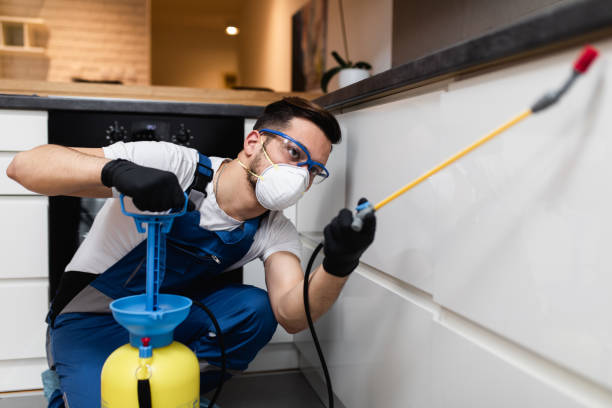
Exterminators play a critical role in addressing pest infestations by focusing on the immediate eradication of pests from homes or businesses. Their primary goal is to eliminate pests quickly and efficiently, often using specialized tools, techniques, and chemical solutions. Below is a breakdown of what exterminators typically do to ensure effective pest elimination.
The first step in the extermination process is a thorough inspection of the property.
An exterminator will:
– Identify the type of pest(s) causing the problem.
– Locate areas where pests are nesting or entering the property.
Once the inspection is complete, exterminators develop a tailored treatment plan based on:
– The type and species of pest involved.
– Any specific challenges posed by the property layout or environmental conditions.
Treatment plans often include both immediate action steps and recommendations for follow-up measures to prevent re-infestation.
Exterminators use professional-grade products and methods to tackle pest problems effectively.
- Chemical Treatments
These involve applying pesticides or insecticides directly to affected areas such as cracks, crevices, nests, or entry points. - Baiting Systems
Baits attract pests like rodents, ants, or cockroaches with food-based lures combined with slow-acting poison. Exterminators strategically place baits in areas where pests are most active. - Fumigation
For severe infestations (such as termites or bedbugs), fumigation may be necessary. This involves sealing off an entire structure and introducing a gas-based pesticide that penetrates walls, furniture, and other hard-to-reach spaces.
| Treatment Method | Common Uses | Pros | Cons |
| Chemical Sprays | Ants, cockroaches, spiders | Quick results | Potential health/environmental impact |
| Bait Stations | Rodents, ants | Precise targeting | Slow action |
| Fumigation | Termites, bed bugs | Comprehensive coverage | Requires evacuation |
Exterminators prioritize safety during applications by:
– Wearing appropriate personal protective equipment (PPE).
– Ensuring proper ventilation when using chemicals indoors.
– Informing residents about precautions (e. g., avoiding treated areas for a specified time).
They also provide guidance on safe cleaning practices post-treatment to reduce residual exposure risks.
Professional exterminators often conduct follow-up visits to:
– Monitor for any remaining signs of pest activity.
– Reapply treatments as needed for complete eradication.
– Address customer concerns about preventative measures going forward.
Why Choose Professional Extermination?
While DIY methods can sometimes address minor infestations temporarily, they often fall short against severe or recurring issues. Professional exterminators bring expertise that ensures:
1. Correct identification and targeted treatment.
2. Access to more effective tools/products not available over the counter.
3. Guaranteed results through ongoing monitoring or warranties offered by many service providers.
By understanding what exterminators do during each stage of their work process—from inspection through follow-up—you can make informed decisions about how best to address your pest control needs effectively without unnecessary delays or risks associated with incomplete solutions.
Key Differences Between Exterminators and Pest Control Services Largo FL
Understanding the distinction between exterminators and pest control professionals is essential for addressing pest problems effectively. While both roles aim to manage and eliminate pest issues, their approaches, techniques, and long-term objectives are distinct.
- Exterminator:
Exterminators focus on the immediate elimination of pests using chemical pesticides. Their primary goal is to eradicate pests quickly, often without considering the long-term prevention of infestations. - Example: Fumigation or heavy pesticide application to kill termites or cockroaches.
- Pest Control Professional:
Pest control specialists prioritize long-term management by identifying the root cause of infestations and implementing sustainable solutions. They often use an Integrated Pest Management (IPM) approach that minimizes chemical use while addressing environmental factors contributing to pest problems. - Example: Sealing entry points, using bait systems, or deploying eco-friendly traps.
| Aspect | Exterminator | Pest Control Professional |
| Chemicals | Relies heavily on toxic pesticides | Focuses on safer alternatives when possible |
| Prevention Strategies | Rarely addresses recurrence prevention | Emphasizes prevention through education |
| Techniques | Reactive approach | Proactive and holistic approach |
- Exterminator:
The methods employed by exterminators often involve high-toxicity substances that may pose risks to pets, humans, and the environment if not applied carefully. - Pest Control Professional:
Many pest control experts lean toward eco-friendly products, mechanical controls (e. g. , traps), or biological solutions like introducing natural predators to manage pest populations.
- Exterminator Training: Primarily focuses on pesticide application techniques.
- Pest Control Training: Includes education about pest biology, behavior analysis, habitat modification strategies, and sustainable methods.
- Extermination is usually a short-term solution aimed at eliminating pests present at the time of treatment without necessarily deterring future infestations.
- Pest control professionals aim for lasting results by addressing conditions that attract pests—such as moisture issues or food accessibility—and educating clients about maintenance.
Choosing Between an Exterminator or Pest Control Service
- g. , bed bugs or termites), an exterminator might be suitable.
- For ongoing management that minimizes risks to your family’s health or your property’s structural integrity over time, working with a pest control professional is typically the better choice.
By understanding these fundamental differences, property owners can make informed decisions about managing their specific pest concerns effectively while considering safety and sustainability factors in the process.
Eco-Friendly Pest Control Largo FL Methods for a Safer Home or Business
As concerns about environmental sustainability grow, many homeowners and businesses are turning to eco-friendly pest control solutions. These methods focus on minimizing harm to the environment, humans, and pets while effectively managing pest populations. Below are some eco-conscious approaches to pest control that prioritize safety and sustainability.
Benefits of Eco-Friendly Pest Control
- Healthier Environment: Reduced use of toxic chemicals leads to cleaner air, water, and soil.
- Safer for Humans and Pets: Eco-friendly methods prevent exposure to harmful pesticides, protecting families, employees, and animals.
- Long-Term Sustainability: Emphasizes prevention over eradication, promoting natural pest deterrence.
- Prevention: Closing entry points such as cracks or crevices in walls or windows.
- Physical Barriers: Using mesh screens or sealants to block entryways.
- Targeted Treatments: Employing localized methods like traps instead of widespread spraying.
Biological pest control involves introducing natural predators or parasites that target specific pests without disrupting other organisms.
| Pest Type | Biological Control Agent |
| Aphids | Ladybugs |
| Mosquitoes | Bacillus thuringiensis (Bti) bacteria |
| Caterpillars | Parasitic wasps |
This method is particularly effective in outdoor settings like gardens or agricultural fields.
- Essential oils like peppermint, eucalyptus, or tea tree oil for spiders and ants.
- Vinegar sprays as a deterrent for fruit flies in kitchens.
- Diatomaceous earth for controlling cockroaches or bedbugs – it dehydrates their exoskeletons without relying on synthetic chemicals.
DIY Tips for Eco-Friendly Pest Prevention
- Regularly vacuum carpets and rugs.
- Wipe down countertops to remove crumbs or spills that attract pests.
- Use caulk to seal cracks around doors and windows.
- Install weather stripping on doors to block small gaps.
- Dispose of garbage promptly in sealed bins.
- Compost organic waste far from living areas.
- Use Plants as Natural Deterrents: Certain plants like lavender (moths), basil (flies), and marigolds (mosquitoes) naturally repel pests when placed indoors or outdoors.
Limitations of Traditional Chemical Pesticides
- Harmful residues left behind post-application.
- Development of pesticide-resistant pests over time.
- Potential contamination of nearby water sources through runoff.
Eco-friendly alternatives address these issues by reducing reliance on harsh chemicals while still achieving effective results.
Conclusion
Adopting eco-friendly pest control not only protects your home or business but also contributes positively toward environmental health. Whether through prevention techniques like sealing gaps or using biological controls such as natural predators, these methods offer sustainable solutions for managing pests responsibly.
Eco-Friendly Pest Control Methods for a Safer Home or Business
These approaches not only manage pest problems effectively but also minimize harm to the environment, pets, and humans.
Benefits of Eco-Friendly Pest Control
- Reduced Environmental Impact: These methods avoid synthetic chemicals, reducing soil and water contamination.
- Safer Indoor Environment: They are less toxic to humans and pets, making them suitable for homes with children or animals.
- Sustainability: Many eco-friendly solutions are designed to provide long-term protection without disrupting ecosystems.
Natural Repellents
Natural repellents use plant-based ingredients to deter pests without harmful chemicals.
- Essential Oils: Oils such as peppermint, eucalyptus, and lavender repel insects like ants, mosquitoes, and spiders.
- Vinegar Solutions: A mixture of water and vinegar can keep ants at bay.
- Herbal Plants: Growing plants like basil, lemongrass, or citronella in your yard can naturally repel pests.
Biological Pest Control
Biological pest control involves using living organisms to manage pest populations. This method is especially beneficial for agricultural or garden settings.
Examples: | Predator | Target Pests | Application | |———-|————–|————-| | Ladybugs | Aphids | Release in gardens to protect plants | | Parasitic Wasps | Caterpillars | Used in farms for crop protection | | Nematodes | Soil-dwelling pests like grubs | Added directly into soil |
Biological control not only reduces dependence on pesticides but also fosters ecological balance by maintaining biodiversity.
Integrated Pest Management (IPM)
Integrated Pest Management is a holistic approach that combines multiple strategies for eco-friendly pest control.
- Seal cracks and crevices around your home.
- Install window screens to block insect entry points.
- Maintain cleanliness by regularly removing food scraps and trash.
- Use traps or sticky pads for tracking pest activity.
- Apply natural baits instead of chemical sprays.
- Use physical barriers like mesh nets around crops.
This strategy ensures that pests are managed effectively without over-reliance on toxic substances.
DIY Eco-Friendly Traps
- Fruit Fly Trap: Combine apple cider vinegar with dish soap in a jar; flies are attracted but unable to escape.
- Ant Bait Station: Mix sugar water with borax (a natural mineral) to lure ants away from their nest.
Ensure these traps are placed safely out of reach of pets or children.
Professional Eco-Friendly Services
For larger infestations requiring expertise, many professional pests control providers now offer environmentally responsible services.
When hiring a provider:
– Look for certifications indicating adherence to green practices (e. g., GreenPro certification).
– Ask about the specific products used and their environmental safety profiles.
By adopting eco-friendly solutions at both personal and professional levels, individuals can protect their property while contributing positively toward sustainability efforts.
Choosing the Right Pest Control Provider for Long-Term Solutions
When it comes to managing pests in your home or business, selecting the right pest control provider is critical for achieving lasting results. A well-qualified pest control company will ensure not only immediate relief but also preventive measures to avoid future infestations. Here’s a guide to help you make an informed decision.
Assessing Your Needs
Before selecting a provider, it’s essential to understand your specific pest control needs.
- Type of Pests: Determine whether you’re dealing with rodents, insects, termites, or other pests.
- Level of Infestation: Is it a minor issue or a recurring problem that needs long-term solutions?
- Location and Environment: Certain methods might be more suitable for commercial properties versus residential spaces. Additionally, eco-friendly approaches may be necessary in environmentally sensitive areas.
What to Look for in a Provider
Choosing the right pest control company involves evaluating key aspects of their service offerings and reputation.
- Licensing and Certification:
Ensure the provider holds proper licensing from local authorities and certifications from recognized pest management associations. - Experience and Expertise:
Look for companies with years of experience handling cases similar to yours. Ask whether they specialize in specific pest types or offer customizable treatment plans. - Integrated Pest Management (IPM):
Opt for providers that practice IPM approaches, combining prevention, monitoring, and targeted treatments rather than relying on excessive pesticide use. - Eco-Friendly Solutions:
For those concerned about environmental impact or safety around children and pets, choose providers who use non-toxic or low-toxicity alternatives. - Customer Reviews and References:
Read reviews online or ask for references from past clients to gauge their reliability and effectiveness. - Guarantees or Warranties:
Check if they offer any guarantees on their services or free follow-ups if pests return within a specified timeframe.
Questions to Ask Before Hiring
- How long have you been in business?
- What is your approach to treating my specific issue?
- Do you carry insurance? If so, what does it cover?
- Are your technicians certified and trained regularly?
- Can you provide an estimate after inspection?
Comparing Providers: A Sample Table
| Factor | Provider A | Provider B | Provider C |
| Licensing & Certification | ✅ Certified | ✅ Certified | ❌ Pending |
| Experience (Years) | 10+ | 5 | 2 |
| Eco-Friendly Options | Yes | No | Yes |
| Customer Reviews (Rating) | ★★★★★ | ★★★★☆ | ★★★☆☆ |
| Warranty/Guarantee | Yes | No | Limited |
Long-Term Value Over Short-Term Fixes
While cost is often a concern when choosing a service provider, it’s essential not to focus solely on price alone. High-quality pest control companies may charge more upfront but provide robust preventive measures that save money over time by reducing recurring infestations.
By carefully considering these factors and doing thorough research, you can select the ideal pest control provider that aligns with your needs while providing effective long-term solutions tailored specifically for your home or business environment.
- Why Pest Control Largo FL Services Are Worth Considering for Prevention
- Comprehensive Guide: What an Exterminator Largo FL Can Do for Your Home
- Effective Pest Removal Largo FL: Is It Safe for Pets and Children
- Effective Pest Control Services Largo FL: Ensuring a Safe and Pest-Free Environment for Your Children
- How a Largo FL Pest Control Company Can Help Protect Your Home and Health
- Largo FL Pest Control Company: Understanding the Key Differences Between Pest Control and Extermination
- Is Preventative Pest Control Worth It
- Understanding the Best Practices for Pest Control Largo FL: Are Treatments Safe for Kids and Pets